



A dump truck is a powerful vehicle designed primarily for transporting and unloading materials such as sand, gravel, dirt, or construction debris. It consists of a tractor unit (the truck itself) and a dumping bed that tilts to allow materials to be easily unloaded. Dump trucks are widely used in industries like construction, mining, and waste management due to their ability to haul large quantities of materials efficiently.These trucks come in various sizes and configurations, including standard dump trucks, articulated dump trucks, and side dump trucks, each serving specific types of terrain or project needs. For example, articulated dump trucks are ideal for off-road and rough terrain environments, often found in mining and heavy-duty construction projects.Equipped with powerful engines and robust suspension systems, dump trucks are built to handle the weight and stress of carrying large loads over long distances. Safety features like backup cameras, bright lighting systems, and advanced braking systems are often incorporated to ensure safe operations, especially on busy or hazardous work sites. Regular maintenance is crucial to keep these trucks running at optimal performance, reducing the risk of costly repairs and enhancing their lifespan.
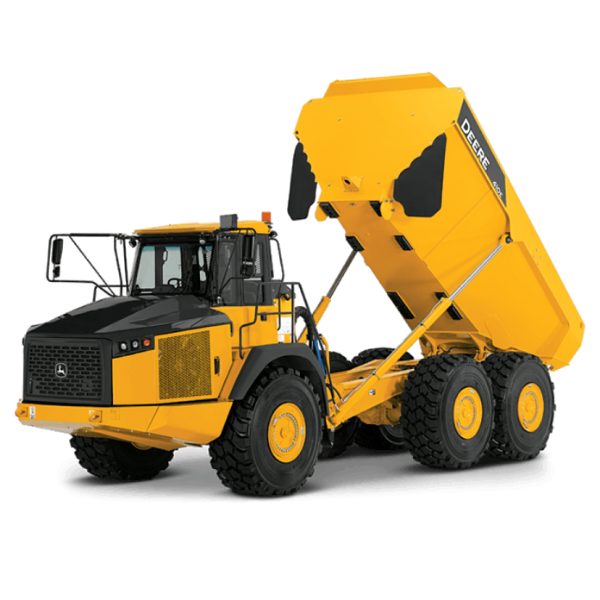
Dump Truck Recommend Products

Dump Truck Detail Introduction
Introduction
Dump trucks play a crucial role in construction projects, offering an efficient solution for transporting heavy materials such as dirt, gravel, sand, and debris. These powerful vehicles are essential for maintaining productivity on job sites, where materials need to be moved quickly and safely. The right dump truck can help optimize project timelines, reduce costs, and enhance operational safety, making it an indispensable tool for contractors and construction teams alike.
Choosing the right dump truck for your project is more than just selecting a vehicle; it directly influences efficiency, safety, and budget. With various models and specifications available, understanding which features are essential for your specific needs is vital to achieving the best performance. A dump truck that is improperly suited to the work site can result in unnecessary downtime, increased fuel consumption, and even safety risks. On the other hand, selecting the ideal vehicle can streamline the operation, reduce maintenance costs, and ensure materials are transported with minimal risk.
Understanding Dump Trucks
A dump truck is a heavy-duty vehicle used primarily for transporting loose materials like sand, gravel, and construction debris to and from construction sites. It consists of three main components: the tractor unit, the dump bed or truck bed, and the chassis. The dump bed is a crucial part of the truck, designed to be lifted hydraulically for unloading materials quickly and efficiently. The power of the hydraulic system enables the truck’s bed to tip and unload its cargo, which is particularly useful for construction projects requiring frequent material movement.
Different Types of Dump Trucks and Their Applications
Not all dump trucks are the same; they vary significantly in size, design, and functionality. Understanding these differences is key to choosing the right vehicle for your project. The most common types of dump trucks used in construction include:
Standard Dump Truck: The traditional dump truck, featuring a simple design with a rear dump mechanism. It is ideal for urban construction sites where maneuverability and quick loading/unloading are needed. This type is used to transport a variety of materials, from soil to asphalt.
Articulated Dump Truck (ADT): The articulated dump truck features a pivoting joint between the cab and the rear dumping bed, allowing for better mobility over rough terrain. ADTs are often preferred for off-road construction sites, mining operations, and remote areas due to their superior handling capabilities in challenging conditions.
Side Dump Truck: This truck has a unique design where the bed tilts to the side for unloading, making it ideal for projects that require the unloading of materials in narrow spaces. It’s particularly useful in places with restricted access or where rear unloading is not practical.
Tandem Axle Dump Truck: Equipped with two axles, this type offers better load capacity and greater stability. It’s commonly used in both urban and rural construction sites for hauling heavy materials like gravel, sand, or even scrap metal.
The Role of Dump Trucks in Construction, Mining, and Other Industries
Dump trucks are essential not only in the construction industry but also in sectors like mining, landscaping, and roadwork. In construction, dump trucks are used to transport building materials like sand, gravel, and cement to job sites and remove debris from construction zones. In mining, dump trucks are used for hauling extracted materials like coal, ore, and waste rock over vast distances, often under harsh environmental conditions.
Beyond construction and mining, dump trucks are frequently employed in landscaping to move soil, mulch, and other materials for large-scale landscaping projects. Roadwork projects also rely on dump trucks to transport materials such as asphalt, dirt, and debris during highway or infrastructure improvements.
Overall, understanding the different types of dump trucks and how they are applied across various industries will help you determine the best option for your specific needs. The selection of the right vehicle for the job not only improves operational efficiency but also ensures that the truck will last longer and perform better under the unique demands of your project.
Key Factors to Consider When Choosing a Dump Truck
Selecting the right dump truck for your construction project requires careful consideration of several important factors. The dump truck must meet the specific demands of the project, including load capacity, terrain, maneuverability, and long-term maintenance requirements. Below are the key aspects to consider when choosing a dump truck:
1. Load Capacity and Payload Requirements
One of the most important factors in choosing a dump truck is ensuring that it can handle the load capacity required for your project. The payload—or the maximum weight the truck can safely carry—varies significantly between models. For construction projects, a dump truck should be able to accommodate the materials being transported, whether it’s sand, gravel, debris, or even heavy equipment.
For instance, if you’re working on a large-scale site that requires transporting a significant amount of material, a dump truck with a high payload capacity, such as those with tandem or tri-axle setups, would be ideal. On the other hand, smaller residential projects may not need as high a load capacity. It's crucial to match the dump truck's capacity with your project's specific needs to avoid unnecessary fuel consumption, wear and tear, and safety risks.
2. Engine Power and Fuel Efficiency
The engine power of a dump truck directly impacts its ability to handle heavy loads efficiently, especially when navigating tough terrain or working under challenging conditions. It’s essential to evaluate the engine's horsepower and torque to ensure that the truck can perform at optimal levels.
Fuel efficiency is another key consideration. Construction projects often require multiple trips to move materials, which can significantly increase fuel consumption. Dump trucks with fuel-efficient engines can help reduce operational costs and lower the carbon footprint of your project. Newer models often come equipped with advanced fuel-saving technologies and engines that comply with stringent emission standards, offering both power and environmental benefits.
3. Truck Size and Maneuverability for Various Project Needs
The size and maneuverability of a dump truck are critical for project efficiency, especially in tight or congested job sites. If your construction project involves urban environments with narrow streets or cramped spaces, a smaller dump truck with a more compact design may be necessary for easy navigation and unloading.
In contrast, larger trucks with greater load capacities are better suited for more expansive job sites or projects in rural or open areas. If the site has heavy machinery operating alongside the dump truck, or if there is limited space for turning and parking, a model with a shorter turning radius and better maneuverability will be crucial.
4. Type of Terrain the Dump Truck Will Operate In
The terrain on which your dump truck will operate plays a significant role in the type of vehicle you should choose. For projects in urban environments with paved roads, a standard rear dump truck may suffice. However, if you’re working in more rugged areas, such as construction sites in rural or off-road locations, an articulated dump truck (ADT) would be a better option. ADTs are known for their superior handling on rough and uneven surfaces, making them ideal for challenging terrains like construction sites or mining operations where road conditions can vary greatly.
Additionally, some dump trucks come with enhanced suspension systems that are designed to handle rougher terrain and provide a smoother ride, helping to prevent material spillage during transport and extending the lifespan of the vehicle.
5. Vehicle Maintenance and Reliability
Maintenance requirements and the reliability of a dump truck are key considerations when making your choice. A vehicle that is easy to maintain and has a proven track record of reliability will save you time and money in the long run. A dump truck with low maintenance costs will reduce downtime and help ensure your project stays on schedule.
When selecting a dump truck, consider the availability of parts, the frequency of maintenance required, and the manufacturer’s reputation for producing durable vehicles. Trucks from trusted brands that have a strong network of service providers or dealerships are typically better choices for construction projects that require consistent performance.
Furthermore, it's important to factor in the ease of performing routine maintenance like oil changes, brake inspections, and tire replacements. Trucks with easily accessible engine compartments and straightforward systems will save your team time and effort, which is crucial when dealing with tight project deadlines.
Types of Dump Trucks for Construction Projects
When selecting a dump truck for your construction project, it’s essential to understand the different types of dump trucks available. Each type of dump truck has unique features designed to serve specific needs and conditions. Depending on the scale of your project, the terrain, and the materials being transported, the right dump truck can make a significant difference in efficiency, safety, and cost-effectiveness. Below are some of the most common types of dump trucks used in construction projects:
1. Standard Dump Truck vs. Articulated Dump Truck
Standard Dump Truck: Also known as a straight dump truck, this is the most traditional type of dump truck. It consists of a single chassis with a bed that tilts at the rear to unload its cargo. Standard dump trucks are typically best for use in urban or semi-urban environments where road conditions are better, and maneuverability is important. They come in various sizes and can handle lighter to moderately heavy materials such as gravel, sand, or dirt. For construction projects with limited space or tighter road access, the standard dump truck is often the most efficient choice.
Articulated Dump Truck (ADT): The articulated dump truck is a heavy-duty vehicle designed for more rugged terrain and off-road conditions. Unlike standard dump trucks, ADTs feature a hinged or pivoting joint between the truck’s cab and the rear dump bed. This flexibility allows the vehicle to handle rough terrain more effectively, making it ideal for mining sites, large-scale construction projects, and other environments where roads may not be well-maintained. ADTs also feature larger payloads, making them suitable for projects that require significant material hauling. Their ability to navigate steep inclines, soft ground, and uneven surfaces makes them an essential choice for challenging environments.
2. Rear Dump Trucks vs. Side Dump Trucks
Rear Dump Trucks: These are the most common type of dump truck in construction. The bed of a rear dump truck tilts backward to unload materials, often allowing for efficient unloading of dirt, sand, and aggregates. Rear dump trucks are typically used in larger construction projects where space is sufficient for the material to be unloaded behind the truck. The rear unloading system is versatile, making it well-suited for most common construction site tasks.
Side Dump Trucks: A side dump truck has a unique design where the dump bed tilts to the side for unloading, rather than the traditional rear method. This design offers several advantages, including faster unloading times and the ability to dump material in tighter spaces or on narrow roadways. Side dump trucks are often used in road construction, where space constraints or specific unloading needs make rear unloading inefficient or impractical. They are particularly useful in projects with limited space, where rear dumping might cause obstruction or delay.
3. Tri-Axle vs. Quad-Axle Dump Trucks
Tri-Axle Dump Trucks: These trucks feature three axles and offer a balance between load capacity and maneuverability. They are typically used for projects requiring moderate hauling capabilities, such as residential construction sites or infrastructure projects. Tri-axle dump trucks are ideal for transporting heavy materials over paved roads but may not be as suitable for extremely heavy loads or rough off-road conditions.
Quad-Axle Dump Trucks: A quad-axle dump truck has four axles, making it capable of handling much heavier loads compared to tri-axle trucks. With a higher load capacity, these trucks are designed for large-scale construction and mining projects where transporting substantial volumes of materials is required. While they can handle more weight, quad-axle dump trucks can be harder to maneuver on tight job sites, so they are better suited for projects with more open space and easier access.
4. Specialized Dump Trucks for Different Types of Construction
Depending on the specific needs of your construction project, there are also specialized dump trucks designed for niche applications:
Off-Road Dump Trucks: These are typically articulated dump trucks built for extremely rough or muddy conditions, such as those found on mining or forestry sites. Off-road dump trucks are equipped with heavy-duty tires and suspension systems designed to handle soft, uneven ground and large quantities of materials over extended distances.
Mini Dump Trucks: For smaller construction projects, particularly in residential or landscaping jobs, mini dump trucks or compact dump trucks are used. These trucks are smaller and more maneuverable, allowing them to operate in tight spaces or limited access areas where larger trucks cannot fit. Despite their smaller size, mini dump trucks are capable of hauling a significant amount of materials for tasks like debris removal, landscaping, and smaller construction operations.
Masonry Dump Trucks: Masonry dump trucks are specifically designed for transporting building materials like bricks, stone, and concrete blocks. They are equipped with special features to prevent shifting or spilling of these materials during transportation, ensuring safety and reducing material loss.
5. Selecting the Right Type of Dump Truck for Your Project
Choosing the right type of dump truck is dependent on the nature of your project. For large construction sites with minimal space constraints and well-maintained roads, a standard dump truck may suffice. However, for rough terrain or mining applications, an articulated dump truck or an off-road dump truck may be required to navigate difficult conditions. Understanding the type of work environment you are operating in is crucial to selecting the most suitable dump truck for your needs.
Assessing Dump Truck Features for Your Project
When selecting a dump truck for your construction project, it’s important to evaluate specific features that will directly impact the truck's performance, durability, and ease of operation. The right features can improve efficiency, safety, and overall project success. Here are the key features to assess when choosing the right dump truck for your project:
1. Importance of Truck Bed Design and Material Options
The truck bed or dump bed is one of the most crucial components of any dump truck. The design and materials used in the bed determine the type of materials the truck can handle, as well as its durability and ability to perform effectively on the job site.
Bed Materials: The material of the bed is essential for durability and weight management. Steel beds are common for heavy-duty tasks as they provide strength and resistance to wear and tear. Aluminum beds are lighter, which can help increase fuel efficiency while still being durable enough for transporting aggregate materials. Some dump trucks feature specialized beds designed for specific materials, like masonry dump trucks used for transporting bricks or concrete.
Bed Design: The shape and mechanism of the truck bed are also vital. Standard rear dump trucks have a simple rectangular bed that tilts backward, while side dump trucks have beds that tilt to the side. Additionally, some dump trucks are equipped with high-lift beds for unloading materials in deeper or higher locations. The type of bed design you need depends on your site’s requirements and the types of materials being transported.
2. Hydraulic Systems and Dumping Mechanisms
A dump truck's hydraulic system is a critical feature that allows the truck bed to be lifted for unloading. The power and efficiency of the hydraulic system directly influence how fast and safely materials can be offloaded from the truck. Hydraulic systems are generally powered by the truck's engine, but the strength and quality of the system can vary depending on the model and manufacturer.
Lift Capacity: When assessing hydraulic systems, it’s essential to check the lift capacity of the truck bed. A higher lift capacity can help ensure that the truck can unload a variety of materials with ease, even in tougher environments.
Hydraulic Cylinder Quality: The quality of the hydraulic cylinders is another important consideration. High-quality cylinders can withstand more pressure, operate more smoothly, and are less prone to failure, reducing the risk of downtime during the project.
3. Suspension Systems and Their Impact on Load Handling
The suspension system of a dump truck plays a critical role in how well the truck handles heavy loads, especially when traveling over rough or uneven terrain. A good suspension system helps maintain vehicle stability, preventing load shifting or tipping during transport. This is particularly important when transporting heavy or loose materials that can be prone to spilling.
Heavy-Duty Suspension: For projects involving rough terrain or large payloads, a heavy-duty suspension system is essential. Such systems help the truck remain stable even when driving over bumps, uneven surfaces, or off-road conditions.
Air Suspension vs. Leaf Springs: Many modern dump trucks feature air suspension systems, which offer better load handling capabilities and a smoother ride compared to traditional leaf spring suspensions. Air suspension allows for adjustable height, improving the dump truck's ability to balance heavy loads.
4. Safety Features: Visibility, Lighting, and Backup Cameras
Safety is a top priority on any construction site, and dump trucks are no exception. Given the size of dump trucks and the often-confined space on job sites, safety features are essential to prevent accidents and ensure smooth operation.
Visibility: Good visibility is crucial for operators to safely maneuver and load/unload materials. Dump trucks should be equipped with wide-angle mirrors, clear sightlines, and front and rear cameras to provide operators with a full view of their surroundings. For night-time or low-visibility conditions, fog lights and high-intensity headlights are important safety features.
Backup Cameras and Sensors: Backup cameras are a particularly important feature for preventing accidents while reversing. Coupled with proximity sensors, these devices alert the operator to any obstacles or workers behind the truck, making backing up safer. Many modern dump trucks now come with integrated rear-view cameras that offer a wide field of vision and are invaluable for site safety.
Lighting: Proper lighting is essential for visibility on both day and night shifts. Dump trucks should have sufficient LED lighting, including working lights on the bed, cab, and rear, to ensure the truck can operate safely in various lighting conditions. This can be especially important on night shifts or in poorly lit areas.
5. Durability and Build Quality
When purchasing a dump truck, it’s essential to evaluate the truck’s overall build quality and how well it is designed to withstand the demands of construction sites. Trucks made with heavy-duty steel, reinforced chassis, and quality materials will perform better over time, reducing the risk of costly repairs and downtime.
Corrosion Resistance: Construction sites often expose vehicles to harsh conditions, including extreme temperatures, moisture, and materials that can cause rust or corrosion. A dump truck with a corrosion-resistant finish, such as galvanized or powder-coated surfaces, will last longer, especially in areas prone to rain, snow, or mud.
Frame and Body Integrity: A strong and durable frame is essential for the long-term performance of a dump truck. Choose a truck with a robust chassis and body that can handle the constant stress of transporting heavy loads.
By assessing these essential dump truck features—including the truck bed design, hydraulic systems, suspension, and safety features—you can ensure that you select a truck that meets both the specific needs of your project and the performance demands of the job site. Taking the time to choose a truck with the right features can help improve operational efficiency, increase safety, and reduce the need for costly repairs down the road.
Determining the Right Dump Truck for Your Budget
Choosing the right dump truck for your construction project involves not only assessing the truck’s capabilities but also ensuring that the vehicle fits within your project’s budget. Both upfront costs and long-term financial considerations, such as maintenance, fuel, and operating expenses, should factor into your decision. Below are the key financial aspects to consider when determining the right dump truck for your construction project:
1. Evaluating New vs. Used Dump Trucks for Cost-Effectiveness
When choosing a dump truck, one of the first decisions to make is whether to purchase a new or used vehicle. Each option has its advantages and disadvantages, and the right choice will depend on your budget, the truck’s expected usage, and the project’s timeline.
New Dump Trucks: Purchasing a new dump truck offers the advantage of having the latest technology, warranties, and a vehicle that has been thoroughly tested by the manufacturer. New trucks come with fewer risks of mechanical issues and typically feature the most up-to-date safety and fuel-efficiency features. However, new trucks also come with a higher price tag, and depreciation starts immediately, potentially losing value at a faster rate. If your construction project requires a high-performance dump truck with advanced features, a new truck may justify the investment.
Used Dump Trucks: On the other hand, used dump trucks offer significant cost savings upfront. Purchasing a used truck can provide substantial value if the truck is well-maintained and still has plenty of useful life left. However, it’s important to assess the condition of a used dump truck thoroughly before purchase. Used trucks may require more immediate repairs or maintenance, and they might not come with warranties or have the latest technology, which could lead to higher operating costs in the long term. For budget-conscious projects with lower operational intensity, a used dump truck might be an excellent choice, provided it has been inspected thoroughly for wear and potential problems.
2. Operating Costs (Fuel, Insurance, Maintenance)
Once you've decided on a new or used dump truck, it's important to factor in the ongoing operating costs. While the initial purchase price is a significant expense, the costs associated with running the truck daily can quickly add up.
Fuel Costs: Fuel efficiency is a key factor to consider when choosing a dump truck. Fuel-efficient models can reduce your overall operating expenses, especially for long-term projects where trucks are used extensively. Trucks with advanced engines and lighter materials may offer better miles per gallon, helping to lower fuel costs over time. However, heavier-duty trucks designed for off-road conditions might consume more fuel due to their larger engines and increased demand for power.
Insurance: The type and cost of insurance can vary significantly between new and used dump trucks. New trucks may come with higher insurance premiums due to their higher value and advanced features. However, some insurance companies offer specialized coverage for used dump trucks that can help mitigate the risks of having an older vehicle. Be sure to get multiple insurance quotes and weigh the coverage options for both new and used trucks.
Maintenance: The maintenance costs of a dump truck can vary depending on the truck's age, condition, and usage. Newer trucks generally require less maintenance during the initial years, while used trucks may need more frequent repairs, depending on their age and how well they've been maintained. Regular servicing, such as oil changes, tire rotations, and brake inspections, will incur recurring costs. It's essential to factor these ongoing expenses into your budget when assessing the total cost of ownership.
3. Financing Options for Purchasing a Dump Truck
If purchasing a dump truck outright is not feasible, consider available financing options. Many construction companies and contractors choose to finance their dump truck purchases to spread the costs over time.
Leasing vs. Buying: Leasing a dump truck can be a good option if you need a truck for a short-term project or if you want to keep your fleet updated with the latest models. Leasing generally requires lower upfront costs, and at the end of the lease term, you can choose to return the truck, buy it, or upgrade to a newer model. On the other hand, buying a truck, whether new or used, allows you to build equity in the vehicle and can be a more cost-effective option for long-term projects.
Loan Options: Financing through a traditional loan is another common option. Many lenders specialize in construction equipment loans, providing financing specifically for the purchase of heavy-duty vehicles like dump trucks. These loans typically require a down payment and offer flexible repayment terms, making them an ideal option if you need a dump truck but don’t have the capital for an outright purchase.
Manufacturer Financing: Some dump truck manufacturers and dealers offer in-house financing options for both new and used trucks. These financing plans often include promotional interest rates and payment structures designed to make purchasing a dump truck more affordable.
4. Depreciation Rates and Long-Term Financial Considerations
Depreciation is an important consideration when selecting a dump truck, especially if you're planning to resell the vehicle after the project. Dump trucks, like most vehicles, lose value over time, and this can vary based on factors such as age, condition, and market demand.
Depreciation of New Dump Trucks: New dump trucks tend to lose value more quickly during the first few years, and this depreciation rate can be higher than that of used trucks. However, the advantage of a new truck is that it comes with a warranty, which can reduce repair costs during the first few years of ownership.
Depreciation of Used Dump Trucks: While used dump trucks have already undergone significant depreciation, they may hold their value better compared to new trucks over the long term. However, their resale value will depend on factors like mileage, condition, and how well the truck has been maintained.
Understanding depreciation rates will help you assess the long-term financial implications of owning a dump truck. If you plan to sell or trade the vehicle in the future, consider the expected depreciation and how it aligns with your project's budget and financial planning.
In conclusion, determining the right dump truck for your construction project is not only about the upfront cost but also about evaluating ongoing operating costs, financing options, and long-term financial considerations. Whether you opt for a new or used dump truck, factoring in fuel costs, insurance, maintenance, and depreciation is essential to managing your project budget effectively. By assessing both short-term costs and long-term financial impacts, you can make an informed decision that supports the success of your construction project while remaining cost-effective.
Understanding Dump Truck Maintenance Requirements
Maintenance plays a crucial role in the longevity, safety, and performance of a dump truck. A well-maintained dump truck ensures that operations run smoothly, reduces downtime, and avoids costly repairs in the future. Regular upkeep is essential to ensure that the vehicle performs optimally and adheres to safety standards, especially in the demanding conditions of construction sites. Here’s an overview of essential maintenance tasks and factors to consider when caring for your dump truck:
1. Essential Routine Maintenance Tasks
The longevity of a dump truck is heavily dependent on consistent routine maintenance. Establishing a regular maintenance schedule can help detect problems early and prevent them from developing into costly issues.
- Oil Changes: Regular oil changes are essential for the smooth operation of the engine and the truck’s overall performance. Old or dirty oil can lead to engine wear, reduced fuel efficiency, and higher operating costs. It’s typically recommended to change the oil every 3,000 to 10,000 miles, depending on the manufacturer's recommendations and the truck's operating conditions.
- Brake Inspections: The brake system in a dump truck is critical for both safety and performance. Routine inspections should include checking the brake pads, drums, and hydraulic systems for signs of wear. Ensuring that the braking system is functioning correctly can prevent accidents on the construction site and avoid costly repairs down the line.
- Tire Checks: Tires endure a lot of wear and tear, especially on rough terrain. Tire pressure should be checked regularly to ensure it’s within the manufacturer’s recommended levels. Proper tire pressure helps prevent premature tire wear, improves fuel efficiency, and ensures better handling. Also, rotate the tires periodically to extend their lifespan and ensure even wear.
- Fluid Levels: Regularly check and top up essential fluids, such as transmission fluid, coolant, and brake fluid. Low fluid levels can lead to overheating, poor engine performance, or brake system failure, so it’s important to maintain these fluids at the correct levels at all times.
2. How Maintenance Affects the Lifespan of a Dump Truck
Proper maintenance not only enhances safety but also contributes significantly to the lifespan of a dump truck. A truck that undergoes regular inspections and upkeep is likely to last longer and require fewer repairs over time.
- Prevents Major Failures: Regular inspections can identify small issues before they escalate into major failures. For example, failing to replace worn brake pads could result in complete brake system failure, leading to costly repairs and potentially unsafe conditions.
- Maintains Resale Value: A well-maintained dump truck retains a higher resale value. Potential buyers will be more likely to purchase a truck with a solid maintenance record. If you plan to sell the truck later or trade it in, keeping detailed maintenance logs can help maximize its value.
- Optimizes Performance: Regular maintenance ensures that the engine, transmission, and suspension systems perform optimally, which helps in enhancing the overall performance of the vehicle. A well-maintained dump truck can achieve better fuel efficiency, less downtime, and more reliable operation on the construction site.
3. Understanding Maintenance Costs and How to Budget for Them
While maintaining a dump truck is essential, it's also important to understand the financial aspect of truck maintenance. Budgeting for regular maintenance tasks, as well as potential repairs, ensures that unexpected costs do not derail your construction project.
- Routine Maintenance Costs: The costs of routine maintenance—oil changes, tire rotations, brake inspections—can be relatively low but should be factored into your budget. If your dump truck is used extensively, you’ll need to schedule these services more frequently. Some contractors may opt for service contracts or maintenance plans with truck dealers to help manage these costs.
- Major Repairs: Major repairs (such as replacing the engine, transmission, or hydraulic systems) can be expensive and often come as a result of neglecting routine maintenance. It’s essential to allocate part of your budget for these unexpected repairs, particularly if you're operating an older truck. Set aside funds for contingencies, so your project won’t be delayed by unforeseen maintenance issues.
- Extended Warranties: Many manufacturers offer extended warranties or service packages for dump trucks, especially for new models. These warranties can cover specific parts or services, which can help offset repair costs. If you’re purchasing a new truck, consider investing in an extended warranty to reduce the financial burden of unexpected repairs.
4. Choosing a Dump Truck with Lower Maintenance Needs
When selecting a dump truck, it’s also important to consider the truck’s design and features in terms of maintenance needs. Some trucks are designed to require less frequent maintenance or come equipped with components that are easier to maintain.
- Advanced Durability: Look for a dump truck that features reinforced parts designed to withstand the harsh conditions of construction sites. Trucks with corrosion-resistant materials, heavy-duty components, and durable suspension systems tend to require less maintenance over their lifespan.
- Ease of Maintenance: Some dump trucks are designed with ease of maintenance in mind. For instance, trucks with easily accessible engine compartments, modular components, and user-friendly hydraulic systems can be serviced more quickly and with fewer complications, saving time and reducing labor costs.
- Integrated Technology: Modern dump trucks may feature built-in diagnostic tools that allow operators to identify potential issues before they become serious problems. For example, telemetry systems and on-board diagnostic sensors can alert the operator to issues like low oil pressure or tire wear, enabling timely action before major repairs are needed.
In summary, regular dump truck maintenance is vital for ensuring that the vehicle remains safe, reliable, and cost-efficient over its lifespan. By prioritizing routine tasks like oil changes, tire checks, and brake inspections, you can avoid costly repairs and enhance the truck's performance on construction sites. Preventative maintenance not only extends the life of the dump truck but also contributes to overall project efficiency. Make sure to establish a routine maintenance schedule and budget for both minor and major repairs to keep your dump truck running smoothly and safely throughout its service life.
Conclusion
Choosing and maintaining the right dump truck for your construction project is a key factor in ensuring both efficiency and safety on the job site. By carefully considering the vehicle's load capacity, terrain suitability, and maintenance requirements, construction professionals can make informed decisions that align with their project needs and budget. Regular maintenance is essential not only for optimizing performance but also for extending the dump truck’s lifespan, reducing repair costs, and maximizing the return on investment.
Ultimately, the goal is to select a dump truck that offers both reliability and cost-effectiveness over the course of the project. Whether you opt for a new or used model, consider your specific needs, the type of terrain, and the operating environment. Taking the time to choose the right dump truck will save you time, reduce delays, and enhance overall safety throughout your construction project.
We encourage all construction professionals to evaluate both the short-term and long-term requirements of their projects and make a well-informed decision that balances cost with durability. By keeping up with regular maintenance, your dump truck can continue to perform at its best, ensuring that your construction projects stay on track and within budget.
Frequently Asked Questions (FAQs)
1. What is the ideal load capacity for a dump truck in a construction project?
The ideal load capacity of a dump truck depends on the scale of the construction project and the materials being transported. For most construction projects, a dump truck with a payload capacity ranging from 10 to 30 tons should suffice. However, for large-scale projects involving heavy-duty materials like gravel or asphalt, larger dump trucks with higher capacities may be necessary. Always consider the specific requirements of your project when selecting a dump truck.
2. Should I choose a new or used dump truck for my construction project?
Choosing between a new or used dump truck depends on your budget and project needs. A new dump truck offers the advantage of warranties, lower maintenance costs initially, and the latest features. However, it comes with a higher upfront cost. A used dump truck can be more budget-friendly but may require more maintenance. Be sure to inspect any used truck thoroughly to ensure it has been well-maintained.
3. How often should I perform routine maintenance on a dump truck?
Routine maintenance should be performed regularly to ensure the longevity and safety of your dump truck. Tasks like oil changes, tire checks, and brake inspections should be done every 3,000 to 10,000 miles, depending on usage. Always refer to the manufacturer’s recommendations for specific maintenance schedules and pay attention to any warning signs that may indicate the need for more frequent maintenance.
4. What are the signs that my dump truck needs immediate attention?
Some common warning signs that your dump truck requires immediate attention include unusual engine noises, difficulty in shifting gears, low tire pressure, or issues with the braking system such as squeaking or reduced braking power. Any unusual vibrations or poor handling should also prompt an inspection. Addressing these problems early can prevent further damage and costly repairs.
5. How can I reduce maintenance costs for my dump truck?
To reduce maintenance costs for your dump truck, consider opting for regular preventive maintenance, such as oil changes, tire rotations, and brake inspections. Additionally, selecting a dump truck with a reputation for durability and low maintenance needs, such as one with reinforced components or a fuel-efficient engine, can minimize long-term repair costs. Keeping a detailed maintenance log can also help you stay on top of regular tasks and avoid neglecting any critical repairs.
6. What features should I prioritize when purchasing a dump truck for my project?
When purchasing a dump truck, prioritize features like load capacity, fuel efficiency, and safety features. If your project involves rough terrain, ensure the truck is equipped with a robust suspension system and powerful engine. Additionally, consider the dumping mechanism, ease of maintenance, and visibility features like backup cameras, which are crucial for safety in construction environments.