



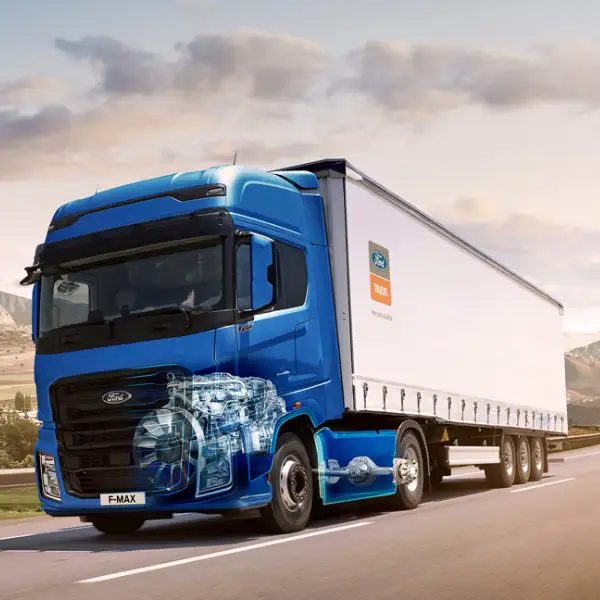
A tractor truck, also known as a semi-truck, rig, or articulated lorry, is a heavy-duty vehicle designed primarily for transporting goods over long distances. It consists of two main parts: the tractor (the front part that houses the engine, cab, and powertrain) and the trailer (the rear section that carries the cargo). The tractor truck’s primary function is to tow the trailer, allowing it to carry a wide range of loads, from dry goods to perishable items, construction materials, and more.Tractor trucks are essential to the freight and logistics industries, providing the backbone for global supply chains. They are built for durability, power, and efficiency, with high horsepower engines that enable them to haul large loads over long distances. Due to their versatility, they are used in various sectors, including transportation, agriculture, and manufacturing.
Tractor Truck Recommend Products

Tractor Truck Detail Introduction
Introduction
A Tractor Truck, commonly known as a semi-truck, big rig, or articulated lorry, is a powerful vehicle designed for hauling heavy loads over long distances. These trucks form the backbone of global supply chains, ensuring the seamless movement of goods across highways, borders, and continents. Without them, industries such as logistics, construction, agriculture, and retail would struggle to function efficiently. According to Chris Spear, President of the American Trucking Associations (ATA), "Trucking moves over 72% of freight in the United States alone.
The significance of tractor trucks extends far beyond just transportation. They are integral to freight and logistics companies, which rely on them to deliver essential goods, industrial materials, and perishable items. The construction industry depends on them to transport raw materials, heavy machinery, and prefabricated structures to job sites. Similarly, the agricultural sector utilizes these trucks for distributing bulk goods such as grain, livestock feed, and farming equipment. Even the oil and gas industry relies on tractor trucks to haul fuel, chemicals, and drilling equipment, making them indispensable for operations in remote locations.
This guide aims to provide a comprehensive resource for understanding tractor trucks, covering everything from their key components and classifications to maintenance, purchasing decisions, and future advancements. Whether you are a fleet owner, an independent trucker, or someone considering investing in the industry, this guide will equip you with the essential knowledge needed to navigate the world of tractor trucks effectively.
Understanding Tractor Trucks
A Tractor Truck is a powerful motor vehicle designed to pull semi-trailers or other heavy loads. Unlike regular trucks, which have a fixed cargo area, tractor trucks are built with a separate cab that connects to a trailer, allowing for greater flexibility and load capacity. This design makes them ideal for long-haul transportation, as they can efficiently carry heavy goods over vast distances. Their versatility and strength have made them the backbone of global logistics, enabling industries to transport essential goods, raw materials, and equipment efficiently.
The key difference between tractor trucks and other heavy-duty vehicles lies in their modular structure. Unlike box trucks or dump trucks, which have an integrated cargo space, tractor trucks are designed to tow detachable trailers. This allows for quick trailer swaps, reducing downtime and increasing transport efficiency. Additionally, tractor trucks come with more powerful engines, higher torque capacities, and advanced braking systems, all designed to handle extreme loads while maintaining safety and fuel efficiency. These factors make them superior for long-distance hauling, where stability, endurance, and adaptability are crucial.
Common applications of tractor trucks span across multiple industries. In the freight and logistics sector, they are indispensable for transporting goods between manufacturers, warehouses, and retailers. The construction industry utilizes them to move heavy machinery, building materials, and prefabricated structures to job sites. Agriculture and food distribution rely on them to haul bulk produce, livestock, and farm supplies. Even hazardous materials transportation, such as fuel, chemicals, and medical supplies, depends on tractor trucks due to their capability to securely handle specialized loads. With an increasing demand for efficient logistics solutions, tractor trucks continue to play a vital role in the global economy, ensuring the smooth movement of goods across different industries.
Types of Tractor Trucks
There are various types of tractor trucks, each designed to meet specific industry needs. Choosing the right type depends on factors such as the distance traveled, cargo weight, and driver comfort. Understanding the differences between these models helps fleet owners and independent truckers make informed decisions that maximize efficiency and profitability.
One of the primary distinctions in tractor trucks is between day cab and sleeper cab models. Day cab tractor trucks are built for short-haul operations where drivers return home at the end of their shift. These trucks lack a sleeping compartment, making them lighter and more fuel-efficient, ideal for urban deliveries, regional hauls, and port transportation. In contrast, sleeper cab tractor trucks are designed for long-distance hauls, featuring a sleeping area with a bed, storage space, and sometimes even kitchenettes. These trucks provide better comfort for drivers who spend days or weeks on the road, making them essential for cross-country freight transportation.
Another classification involves single-axle vs. tandem-axle tractor trucks. Single-axle tractor trucks have one drive axle and are suitable for lighter loads, typically used for city deliveries and regional freight transport. They offer better maneuverability and lower fuel consumption but may not support extremely heavy cargo. Tandem-axle tractor trucks, on the other hand, have two drive axles, providing increased weight capacity, stability, and traction. These trucks are essential for heavy-duty applications, such as hauling construction materials, oversized loads, and long-distance freight shipments.
Additionally, there are specialized tractor trucks built for different industries. Heavy-haul tractor trucks feature reinforced frames, larger engines, and multiple axles to handle oversized or extremely heavy cargo, such as industrial equipment and military vehicles. Refrigerated (reefer) tractor trucks are used in food and pharmaceutical transportation, as they are designed to tow temperature-controlled trailers. Hazmat-certified tractor trucks meet strict safety regulations to transport hazardous materials, including fuel, chemicals, and medical supplies.
Key Features to Consider When Choosing a Tractor Truck
Selecting the right tractor truck is a critical decision that impacts efficiency, cost savings, and driver comfort. Whether purchasing a new or used truck, several factors must be evaluated to ensure optimal performance and long-term reliability. The following key features should be considered when choosing a tractor truck for your fleet or personal use.
Engine Power and Fuel Efficiency
The engine is the heart of a tractor truck, determining its power, torque, and fuel consumption. A strong diesel engine with a high torque rating is essential for hauling heavy loads over long distances. However, balancing power output with fuel efficiency is crucial, as fuel costs make up a significant portion of trucking expenses. Modern tractor trucks incorporate fuel-efficient technologies, such as turbocharged engines, aerodynamic designs, and idle-reduction systems, to optimize performance while reducing operational costs.
Transmission Options: Manual vs. Automatic
The choice between manual and automatic transmission can impact a driver’s efficiency and comfort. Manual transmissions offer greater control over gear shifting, making them preferable for experienced drivers handling challenging terrains. However, automatic transmissions have gained popularity due to their ease of use, fuel efficiency, and ability to reduce driver fatigue. Many modern tractor trucks are equipped with automated manual transmissions (AMTs), which provide the best of both worlds by combining manual control with automated gear shifts.
Weight Capacity and Load Considerations
Understanding the gross vehicle weight rating (GVWR) and axle configuration is essential when choosing a tractor truck. Different industries require trucks with varying load capacities, and selecting the right one ensures compliance with weight regulations and enhances safety. Tandem-axle and tri-axle tractor trucks offer increased weight support and stability, making them ideal for heavy-haul applications. Additionally, trailer compatibility should be considered to ensure proper weight distribution and fuel efficiency.
Safety Features in Modern Tractor Trucks
Safety is a top priority in the trucking industry, and modern tractor trucks are equipped with advanced features to reduce accidents and enhance driver protection. Features such as adaptive cruise control, lane departure warning, automatic emergency braking, electronic stability control, and collision mitigation systems help drivers operate safely on highways and in urban areas. Investing in a tractor truck with cutting-edge safety technology not only protects drivers but also reduces insurance costs and liability risks.
Technology and GPS Integration
Technology plays a crucial role in modern tractor truck operations. GPS navigation systems, fleet telematics, and real-time tracking improve route planning and operational efficiency. Many tractor trucks now include electronic logging devices (ELDs) to ensure compliance with hours-of-service (HOS) regulations, preventing driver fatigue and enhancing road safety. Additionally, telematics systems provide valuable data on fuel consumption, engine performance, and maintenance schedules, helping fleet managers optimize productivity and reduce downtime.
Choosing the right tractor truck involves evaluating multiple factors, from engine performance and safety features to load capacity and technological advancements. A well-informed decision improves operational efficiency and ensures long-term profitability and driver satisfaction.
Tractor Truck Maintenance Guide
Proper maintenance is essential to keeping a tractor truck in peak working condition, ensuring reliability, safety, and longevity. Given the high demands of long-distance hauling, heavy loads, and often challenging road conditions, regular care can prevent costly repairs and downtime. Understanding the maintenance schedule, recognizing common issues, and performing essential checks will help truck owners and operators maximize the lifespan of their tractor trucks while minimizing operational disruptions.
Regular Maintenance Checklist
To keep your tractor truck performing efficiently, it's important to adhere to a regular maintenance schedule. Here are some key areas that require attention:
- Engine and Transmission: Regular oil changes and fluid top-offs are vital to keeping the engine running smoothly. Make sure to check engine oil levels and coolant systems to prevent overheating or wear.
- Brakes and Tires: Inspect the brake pads for wear and ensure that the brake fluid is at proper levels. Tires should be regularly checked for proper air pressure, tread depth, and any visible damage.
- Suspension System: A damaged suspension system can affect the ride quality and load-bearing capacity. Inspect shock absorbers, leaf springs, and airbags for wear or leaks.
- Battery and Electrical Systems: Ensure the battery is in good condition by inspecting the terminals for corrosion and checking the alternator and starter motor.
- Air Filters and Fuel Filters: Clogged air filters can reduce engine efficiency and fuel economy, while fuel filters should be checked regularly to ensure the engine receives clean fuel.
- Lights and Signals: Proper working lights are essential for safety. Regularly check that all exterior lights—headlights, tail lights, brake lights, and turn signals—are functioning.
Common Issues and How to Troubleshoot
While regular maintenance can prevent many issues, some problems may still arise. Here are common tractor truck issues and their potential solutions:
- Overheating: If the engine temperature spikes, it could be due to a coolant leak, clogged radiator, or a faulty thermostat. Ensure the cooling system is intact and flush the radiator as needed.
- Transmission Problems: If the transmission is slipping or difficult to shift, it may be due to low transmission fluid or a worn clutch. Check fluid levels and inspect for leaks or damage.
- Brake Issues: Squealing, grinding, or a soft brake pedal could indicate worn brake pads, damaged rotors, or air in the brake lines. Ensure regular brake checks to avoid hazardous braking performance.
- Fuel Inefficiency: Poor fuel efficiency can be caused by dirty air filters, low tire pressure, or issues with the fuel injectors. Regular maintenance, like changing air filters and ensuring tires are properly inflated, can boost fuel efficiency.
The Importance of Oil Changes and Tire Inspections
Among the most critical maintenance tasks for tractor trucks are oil changes and tire inspections. Regular oil changes ensure the engine operates smoothly by preventing the buildup of contaminants and reducing wear on engine components. Manufacturers generally recommend changing the oil every 10,000-15,000 miles or as per the truck's specifications.
Tires are equally crucial. Worn-out or improperly inflated tires can affect the stability of the truck and reduce fuel efficiency. Ensuring proper tire pressure helps avoid blowouts and uneven wear, which can lead to costly replacements. Tire rotations are also recommended to ensure even wear and extend the life of the tires.
How to Extend the Lifespan of Your Tractor Truck
Extending the lifespan of your tractor truck involves adopting proactive maintenance habits and using the right materials and equipment. Here are some tips to ensure your tractor truck lasts as long as possible:
- Invest in Quality Parts: Always use genuine parts when replacing components, as they are designed to fit and function best within the system.
- Monitor Driving Habits: Excessive idling, hard braking, and heavy acceleration can put unnecessary stress on the engine and transmission. Encourage smooth, consistent driving to preserve engine health.
- Keep the Truck Clean: Regularly wash the truck to prevent buildup of dirt, salt, and road grime, which can affect the exterior and lead to corrosion.
- Schedule Routine Inspections: Even with regular maintenance, annual or bi-annual professional inspections can uncover potential issues before they become major problems.
By staying on top of routine maintenance and addressing issues promptly, tractor truck owners can ensure their vehicles remain in top condition for years, reducing both operational downtime and repair costs. Proper care not only boosts performance and fuel efficiency but also improves safety on the road, benefiting both drivers and fleet owners.
Legal and Regulatory Considerations
Owning and operating a tractor truck involves navigating a complex landscape of legal and regulatory requirements. These rules are in place to ensure the safety of drivers, protect other road users, and maintain the integrity of the road system. Whether you're an independent trucker or managing a fleet, understanding and adhering to these regulations is critical to avoiding fines, penalties, and potential shutdowns. Here are the key legal considerations to keep in mind when operating a tractor truck.
Licensing and CDL Requirements for Tractor Trucks
To operate a tractor truck, drivers must hold a Commercial Driver's License (CDL). The requirements for obtaining a CDL can vary by country and region, but in the U.S., for example, the Federal Motor Carrier Safety Administration (FMCSA) oversees the regulations that govern CDL issuance. Generally, there are two types of CDL endorsements that are critical for tractor truck operators:
- Class A CDL: Required for operators driving a combination of vehicles with a gross combination weight rating (GCWR) of 26,001 pounds or more. This is the standard license for those operating tractor trucks with a trailer.
- Class B CDL: Necessary for operators driving a single vehicle with a weight of 26,001 pounds or more, but without a trailer exceeding 10,000 pounds.
In addition to the standard CDL, drivers must also pass a medical examination, demonstrate knowledge of federal and state regulations, and complete both written and practical driving tests. Regular CDL renewals and periodic medical exams are required to ensure that drivers remain fit to operate heavy vehicles.
Weight Limits and Road Regulations
One of the most important legal considerations for tractor trucks is adhering to weight limits and road regulations. These limits are enforced to protect infrastructure, prevent road damage, and ensure safety. Gross Vehicle Weight Rating (GVWR) and Gross Combination Weight Rating (GCWR) are critical metrics that define the maximum weight a tractor truck can carry.
The Federal Bridge Gross Weight Formula sets forth weight limits for trucks traveling on U.S. highways, limiting the maximum weight of a tractor truck and trailer combination to 80,000 pounds under most circumstances. However, weight limits can vary by state or region, with some areas imposing stricter limits based on road conditions or specific highway networks.
Operators must also be aware of height, length, and width regulations, which vary from state to state. Overweight and oversized loads often require permits or escort vehicles and are subject to special routing rules. Ignoring these regulations can result in fines, accidents, and damage to infrastructure, making it essential to stay informed about the laws that apply to the routes being traveled.
Insurance Considerations for Tractor Truck Owners
Trucking insurance is mandatory for all tractor truck operators. Insurance requirements vary by region, but in the U.S., the FMCSA mandates that operators carry a minimum level of liability insurance to protect against accidents and damages involving their vehicle. The types of insurance coverage that tractor truck owners must consider include:
- Liability Insurance: Covers damages or injuries caused to other people or property in the event of an accident.
- Cargo Insurance: Protects against loss or damage to the cargo being transported.
- Physical Damage Insurance: Covers repairs or replacement costs for the tractor truck itself in case of an accident, theft, or natural disaster.
- Workers' Compensation Insurance: In the event that the driver is injured, this insurance covers medical expenses and lost wages.
Insurance premiums depend on factors such as the type of cargo, the truck's age and condition, and the driver's safety record. It's important to shop around for the best coverage and to ensure that the policy meets the legal requirements for the area in which the tractor truck operates.
Hours of Service (HOS) Regulations
One of the most important sets of regulations for tractor truck drivers is the Hours of Service (HOS) rules, which limit the number of hours a driver can be on the road. The purpose of these regulations is to prevent fatigue-related accidents, which are a significant cause of crashes involving large trucks.
In the U.S., FMCSA rules require that:
- Drivers can drive up to 11 hours after being off duty for at least 10 consecutive hours.
- Drivers cannot drive beyond 14 hours in a single shift, including time spent unloading or waiting.
- Drivers must take a 30-minute break after 8 hours of driving.
- Drivers are restricted to a 70-hour workweek, and they must take at least 34 consecutive hours off to reset the clock.
Adherence to HOS regulations is monitored through the use of Electronic Logging Devices (ELDs), which track driving hours automatically. Violations of HOS regulations can result in penalties and fines, and they can jeopardize a driver's safety record.
Compliance with legal and regulatory considerations is a critical aspect of tractor truck ownership and operation. From CDL licensing to understanding weight limits, insurance requirements, and HOS regulations, there are numerous laws in place to ensure the safety of truck drivers, the public, and the infrastructure. It is essential for truck owners and operators to stay informed about these regulations, maintain proper documentation, and ensure that their vehicles meet all legal requirements to avoid penalties and protect their livelihoods.
The Future of Tractor Trucks
As the transportation industry evolves, so too does the technology behind tractor trucks. The rapid pace of technological advancement is reshaping how these vehicles are designed, operated, and integrated into supply chains. From electric engines to autonomous driving, the future of tractor trucks promises not only enhanced efficiency but also significant shifts in sustainability, safety, and operational dynamics. Let’s explore some of the emerging trends that will likely shape the future of tractor trucks.
Electric and Autonomous Tractor Trucks
The push toward electric tractor trucks is one of the most exciting developments in the trucking industry. As concerns over carbon emissions and fuel consumption grow, many manufacturers are investing in electric-powered trucks that reduce dependence on diesel fuel. Companies like Tesla with their Semi truck and Volvo with their electric heavy-duty trucks are leading the way, promising zero-emission alternatives for long-haul freight.
Electric tractor trucks offer a range of benefits, such as lower operating costs, reduced environmental impact, and quieter operations. However, challenges remain in terms of charging infrastructure, battery life, and payload capacity. The transition from traditional diesel to electric-powered trucks will require significant investments in charging networks and advancements in battery technology. Still, as more governments push for greener initiatives and stricter environmental regulations, electric tractor trucks will play a pivotal role in reducing the carbon footprint of the trucking industry.
In addition to electric trucks, autonomous tractor trucks are being tested and developed by a number of companies. These self-driving trucks promise to address the ongoing driver shortage and improve the safety and efficiency of freight transport. Autonomous vehicles are equipped with a range of sensors, cameras, and artificial intelligence (AI) systems that allow them to navigate highways and even urban environments without human intervention. While fully autonomous tractor trucks are not yet widely in use, companies like Waymo, Uber Freight, and Embark are conducting extensive trials to refine these technologies. The eventual widespread use of autonomous trucks could drastically reduce human error on the roads, improve fuel efficiency through optimized routes, and lower operating costs by eliminating the need for drivers.
Sustainability Trends in the Trucking Industry
Sustainability is a growing focus in the transportation sector, and tractor trucks are at the forefront of this shift. Aside from electric and autonomous trucks, several other sustainability trends are emerging:
- Hydrogen Fuel Cells: As an alternative to electric battery technology, hydrogen fuel cells are gaining attention as a clean, renewable energy source for heavy-duty trucks. Hydrogen-powered tractor trucks can refuel quickly and offer a range similar to traditional diesel trucks, making them a viable option for long-distance hauls.
- Aerodynamic Improvements: Manufacturers are investing in aerodynamic designs that reduce drag and improve fuel efficiency. Innovations like sleek trailer designs, side skirts, and roof fairings help reduce wind resistance, allowing tractor trucks to use less fuel and emit fewer pollutants.
- Alternative Fuels: The adoption of biofuels, compressed natural gas (CNG), and liquefied natural gas (LNG) is also growing. These fuels offer a cleaner alternative to diesel, emitting lower levels of carbon dioxide and particulates.
The sustainability movement is reshaping the way fleets operate. Companies are increasingly adopting green technologies to reduce fuel consumption, cut emissions, and comply with increasingly stringent environmental regulations. By integrating eco-friendly technologies, tractor truck owners can improve their environmental footprint and align with the growing demand for sustainable business practices.
Upcoming Innovations and Technological Advancements
The future of tractor trucks is likely to see significant advancements in both safety features and in-cab technology. Here are a few key innovations to keep an eye on:
- Advanced Driver Assistance Systems (ADAS): ADAS technologies, including lane-keeping assist, automatic emergency braking, adaptive cruise control, and collision avoidance, are becoming more sophisticated. These systems will continue to improve driver safety and reduce the likelihood of accidents.
- Telematics and Big Data: Telematics systems that collect data from tractor trucks on fuel usage, driving habits, tire conditions, and engine performance are becoming more advanced. These systems allow fleet managers to monitor trucks in real-time and optimize routes, reduce fuel costs, and schedule maintenance before issues arise.
- Connected Trucks: With the rise of the Internet of Things (IoT), tractor trucks will become even more interconnected. Vehicles will communicate with each other, traffic infrastructure, and logistics hubs to ensure smoother operations. This technology promises to streamline delivery processes, reduce delays, and improve safety by reducing human error.
The future of tractor trucks is undeniably exciting, with technological advancements promising to revolutionize the industry. Electric engines, autonomous driving, sustainability initiatives, and innovations in safety and connectivity are all pushing the boundaries of what these vehicles can do. As these technologies mature, they will help tractor truck operators reduce costs, improve fuel efficiency, and align with growing environmental expectations. Though challenges remain—particularly with infrastructure and regulatory hurdles—the future of tractor trucks holds enormous potential, offering a glimpse into a more efficient, sustainable, and connected transportation ecosystem.
Conclusion
In conclusion, choosing and maintaining a tractor truck involves much more than just the purchase of a vehicle; it’s a long-term investment that requires careful consideration of numerous factors, from engine power and safety features to regulatory requirements and ongoing maintenance. Whether you're a fleet manager or an independent operator, understanding the intricacies of tractor trucks will help you make well-informed decisions that benefit your business for years to come.
From new vs. used tractor trucks to future technologies like electric and autonomous vehicles, the landscape of the trucking industry is evolving rapidly. The continued advancement of sustainability trends, safety systems, and driver assistance technologies will not only reduce operating costs and improve efficiency but also contribute to a safer and greener future for the entire industry. Staying informed about these changes and embracing innovation will be key to maintaining a competitive edge and keeping operations running smoothly.
For further learning about tractor trucks, from maintenance best practices to legal regulations and technological advancements, there are plenty of resources available, including industry publications, online forums, and training programs that can provide valuable insights. By investing in knowledge and keeping up with industry trends, you’ll be well-equipped to make decisions that will ensure the long-term success and sustainability of your tractor truck operations.
FAQs About Tractor Trucks
1. What is the difference between a tractor truck and a regular truck?
A tractor truck, also known as a semi-truck or rig, is a vehicle designed specifically for towing trailers. Unlike a regular truck, which is a standalone vehicle, a tractor truck is typically coupled with a trailer to haul large loads. The tractor contains the engine, cab, and powertrain, while the trailer is the container used to transport goods. The key difference lies in the coupling mechanism, which allows the tractor to attach and detach from different trailers for various types of cargo.
2. How much does a tractor truck cost?
The cost of a tractor truck can vary significantly based on factors such as its age, make, model, and condition. A new tractor truck typically costs anywhere from $120,000 to $180,000, depending on the features and customization options. Used tractor trucks are generally more affordable, with prices ranging from $30,000 to $80,000 or more, depending on their mileage, age, and maintenance history. Additional costs like insurance, registration, and financing should also be considered when budgeting for a tractor truck.
3. What is the average lifespan of a tractor truck?
The lifespan of a tractor truck can vary depending on how well it’s maintained and how often it’s used. On average, a tractor truck can last anywhere from 500,000 to 1 million miles with proper maintenance. Regular servicing, timely repairs, and using quality parts can extend its life, while neglecting maintenance can shorten it significantly. Proper care, including oil changes, brake inspections, and tire rotations, is key to getting the most out of your vehicle.
4. How much weight can a tractor truck haul?
The amount of weight a tractor truck can carry depends on the gross vehicle weight rating (GVWR) of the truck and trailer combination. In the U.S., the federal maximum weight limit for a tractor truck and its cargo is typically 80,000 pounds, which includes the weight of the tractor, the trailer, and the cargo. However, some specialized trucks and trailers may be able to handle more, with permits for oversized loads available for heavier hauls. It’s essential to stay within legal weight limits to avoid fines and protect the truck’s longevity.
5. Do tractor trucks require special licenses to operate?
Yes, to operate a tractor truck, drivers must have a Commercial Driver’s License (CDL). There are different classes of CDLs based on the type of vehicle and load being carried. For example, a Class A CDL is required for driving a tractor truck with a trailer. Additionally, drivers may need to obtain specific endorsements depending on the type of cargo (e.g., hazardous materials). Ensuring that the driver is licensed, experienced, and compliant with hours of service regulations is critical for safety and legal operation.