



The Future of Car Hauler Semi-Trailers: Innovations Shaping the Vehicle Transport Industry
Introduction
The Car Hauler Semi-Trailer plays a crucial role in the vehicle transport industry, ensuring that automobiles—from luxury cars to large commercial vehicles—are safely and efficiently moved across long distances. These trailers are designed to carry multiple vehicles at once, maximizing the capacity and minimizing the number of trips required for transporting automobiles.
As the vehicle transport industry faces increasing demands for efficiency, safety, and environmental sustainability, innovation has become more important than ever. With the rise of new technologies and evolving regulations, Car Hauler Semi-Trailers are undergoing significant transformations to meet these challenges. The future of this industry is not only about better vehicles but also about smarter, greener, and safer trailers that integrate advanced technologies.
In this article, we’ll explore the future trends and technological advancements that will shape the Car Hauler Semi-Trailer market, focusing on key innovations that promise to revolutionize the way vehicles are transported. From automation to sustainability, these trends are poised to have a lasting impact on both the industry and the environment.
The Current State of Car Hauler Semi-Trailers
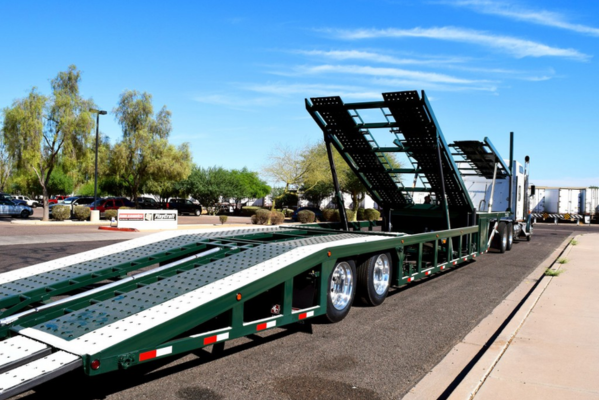
Car Hauler Semi-Trailers have been essential in the transportation of vehicles for decades. Traditionally, these trailers are designed with a multi-tiered platform to accommodate several cars at once. They are typically used for transporting new vehicles from manufacturers to dealerships or for moving multiple vehicles for auctions, relocations, and more. Their basic design has remained relatively consistent over time, with robust structural components that can handle large loads.
However, despite their widespread use, traditional car hauler semi-trailers come with some challenges that the industry must address in order to keep up with modern transportation demands.
Challenges in the Current Design:
Loading and Unloading: Traditional designs often present difficulties when it comes to loading and unloading vehicles, especially when handling luxury cars, low-clearance vehicles, or larger vehicles like trucks and SUVs. The ramp systems used on older models can be inefficient, often requiring cranes or forklifts for maneuvering larger vehicles onto the trailer.
Fuel Efficiency: The weight and structural components of older Car Hauler Semi-Trailers can reduce overall fuel efficiency, especially when these trailers are fully loaded. This is a pressing issue, as companies look to reduce operational costs and address the industry's growing concern about fuel consumption and carbon emissions.
Regulatory Compliance: With increasing regulations around emissions and safety standards, traditional trailers may face limitations. Compliance with these regulations requires regular updates to trailer designs, particularly in the areas of load securement and safety systems, which are often not as advanced in older models.
Key Innovations Driving the Future of Car Hauler Semi-Trailers
The future of Car Hauler Semi-Trailers is being driven by a combination of automation, lightweight materials, and eco-friendly technologies. These innovations are aimed at improving the efficiency, safety, and environmental sustainability of vehicle transport. Let’s take a closer look at the key advancements that are shaping the future of this crucial industry.
1. Automation and Technology Integration
As technology evolves, automation has started to play a pivotal role in improving the operational efficiency of Car Hauler Semi-Trailers. Autonomous features and driver-assistance systems are being integrated into these trailers to enhance both safety and efficiency. For example, automated loading/unloading systems are being designed to reduce the time and labor required for positioning vehicles on the trailer.
Autonomous driving technology is another innovation poised to transform the car hauling sector. With the integration of sensors, cameras, and artificial intelligence (AI), Car Hauler Semi-Trailers can become part of an automated transport chain, improving routing efficiency, reducing human error, and optimizing fuel usage.
2. Telematics and Fleet Management Systems
The integration of telematics and fleet management systems is another innovation gaining traction. These systems allow fleet operators to monitor the location, status, and condition of each Car Hauler Semi-Trailer in real-time, providing valuable data on fuel consumption, tire pressure, and maintenance needs. This data-driven approach enables operators to optimize routes, reduce fuel costs, and perform predictive maintenance, ultimately increasing fleet efficiency and reducing downtime.
Telematics systems also improve safety by offering real-time alerts about road conditions, weather, and traffic updates. This allows drivers to make informed decisions, ensuring timely deliveries and reducing the risks of accidents or delays.
3. Lightweight Materials for Improved Efficiency
One of the most significant shifts in the design of Car Hauler Semi-Trailers is the adoption of lightweight materials. Traditional trailers are often built with heavy steel frames, which can reduce fuel efficiency due to the added weight. However, new materials, such as aluminum alloys, carbon fiber, and composite materials, are being increasingly used in trailer construction. These materials provide the same durability and strength as steel but are much lighter, resulting in improved fuel economy and increased payload capacity.
By reducing the overall weight of the trailer, companies can transport more vehicles with the same fuel consumption, reducing costs and lowering carbon emissions.
4. Electric and Hybrid Models
The transition to electric and hybrid powertrains represents a major shift in the car hauling industry. The demand for green transportation is rising, with both consumers and regulatory bodies placing more emphasis on sustainability. Electric Car Hauler Semi-Trailers are designed to reduce the reliance on fossil fuels, thus minimizing the carbon footprint associated with vehicle transport.
Electric and hybrid models offer numerous benefits, including:
- Lower operational costs due to reduced fuel consumption.
- Decreased emissions, which is crucial for meeting stricter environmental standards.
- Quieter operation, reducing noise pollution during long-haul journeys.
These innovations are gradually replacing traditional diesel-powered models, especially in regions with stricter environmental regulations, such as Europe and California.
The Impact of Safety Features on the Future of Car Hauler Semi-Trailers
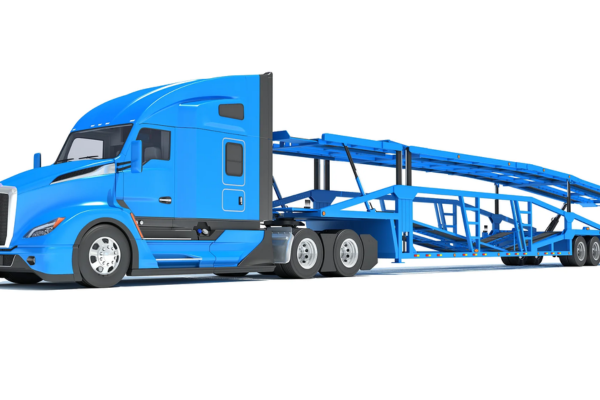
As the Car Hauler Semi-Trailer industry evolves, safety has become a top priority. Innovations in safety features are not just about protecting the vehicles being transported, but also about ensuring the safety of drivers and reducing the risks of accidents during transport. Enhanced safety technologies are playing a crucial role in the future design of these trailers. Let’s explore the key safety advancements that will shape the Car Hauler Semi-Trailer industry in the years to come.
1. Advanced Collision Mitigation Systems
One of the most important safety innovations in Car Hauler Semi-Trailers is the integration of collision mitigation systems. These systems use radar, LIDAR, and camera sensors to detect objects or vehicles ahead of the trailer and automatically engage the braking system if a potential collision is detected. This technology is particularly important in preventing rear-end collisions and ensuring safer highway driving.
For the Car Hauler Semi-Trailer industry, this means improved protection for both the trailer and the vehicles being transported. Additionally, these systems can help reduce the likelihood of accidents caused by human error, providing peace of mind for fleet operators and drivers alike.
2. Anti-Slip Ramps and Load Securement Enhancements
Ensuring the safe loading and unloading of vehicles is another crucial aspect of Car Hauler Semi-Trailer safety. The introduction of anti-slip ramps helps to prevent vehicles from sliding when they are driven onto or off the trailer. This is particularly important when transporting luxury cars or high-end sports vehicles that are sensitive to damage during handling.
Furthermore, load securement enhancements, such as automated tie-down systems, are designed to keep vehicles firmly in place during transit. These systems reduce the risk of shifting or toppling, ensuring that vehicles are safely transported even over long distances or rough terrain. For example, new automatic load tensioning devices ensure that the right amount of pressure is applied to keep each vehicle in place, reducing the need for manual adjustments.
3. Electronic Stability Control (ESC) and Anti-Rollover Technology
Electronic Stability Control (ESC) is a critical feature that will become more common in Car Hauler Semi-Trailers in the future. ESC systems use sensors to monitor the vehicle’s movement and detect any signs of instability. If a loss of control is detected, ESC can automatically apply brakes to individual wheels to stabilize the vehicle.
For Car Hauler Semi-Trailers, this technology will significantly reduce the likelihood of accidents caused by overloading, sharp turns, or slippery road conditions. ESC helps to maintain the stability of the entire trailer, preventing rollovers, especially when transporting multiple vehicles at high speeds.
4. Driver Assistance and Monitoring Systems
In addition to the physical safety features of the trailer itself, driver assistance systems are becoming increasingly common. These systems include features like lane departure warnings, blind spot detection, and adaptive cruise control, which are designed to enhance driver safety and reduce human error.
For example, blind spot detection can alert the driver if another vehicle is in the trailer’s blind spot, preventing collisions when changing lanes. Adaptive cruise control helps to maintain a safe following distance from other vehicles on the road, which is especially important when driving with a Car Hauler Semi-Trailer loaded with valuable cargo.
Furthermore, driver monitoring systems can track the driver's level of alertness, warning them if they show signs of fatigue or distraction. By enhancing the driver's ability to react quickly to potential hazards, these technologies contribute to overall safety.
5. Compliance with Evolving Safety Regulations
As safety regulations continue to tighten across the globe, Car Hauler Semi-Trailers are increasingly being designed to meet stringent safety standards. For instance, the U.S. National Highway Traffic Safety Administration (NHTSA) and European Union regulations are pushing for better safety features such as anti-lock braking systems (ABS) and electronic stability control for all trailers.
The Role of Sustainability in Future Car Hauler Semi-Trailers
As global awareness of environmental sustainability grows, industries across the world, including vehicle transport, are being pushed to reduce their carbon footprint. Car Hauler Semi-Trailers, which are essential for transporting a large volume of vehicles, are no exception. The push for greener technologies and eco-friendly solutions is leading to significant changes in the design and operation of these trailers. Let’s explore how sustainability is playing a pivotal role in shaping the future of the Car Hauler Semi-Trailer industry.
1. Electric-Powered Car Hauler Semi-Trailers
The transition from diesel-powered trucks to electric-powered vehicles is one of the most significant trends in the transportation sector. Similarly, electric Car Hauler Semi-Trailers are emerging as a solution to reduce the environmental impact of vehicle transport. These electric trailers offer several advantages:
- Zero Emissions: Electric Car Haulers produce no tailpipe emissions, making them an eco-friendly alternative to traditional diesel-powered trailers. This helps reduce the overall carbon footprint of vehicle transportation.
- Lower Operating Costs: Electric powertrains are generally more energy-efficient than their diesel counterparts. As battery technology continues to improve, electric Car Hauler Semi-Trailers will offer significant savings in fuel costs over time.
- Noise Reduction: Electric vehicles tend to be quieter than their diesel-powered counterparts, contributing to less noise pollution, which is particularly beneficial in urban areas where car haulers often operate.
Leading manufacturers like Tesla have already begun working on electric semi-trucks, and it's only a matter of time before electric Car Hauler Semi-Trailers become a common sight on the road, offering a cleaner and quieter alternative to traditional models.
2. Hybrid Models and Alternative Fuels
While fully electric Car Hauler Semi-Trailers are still in the early stages of development, hybrid models and those that use alternative fuels are already making their mark. Hybrid trailers combine a conventional diesel engine with an electric motor, offering improved fuel efficiency and reduced emissions compared to traditional trailers.
Alternative fuels, such as liquefied natural gas (LNG) or biofuels, are also becoming viable options. These fuels can significantly lower the environmental impact compared to regular diesel, helping meet emission standards without requiring a full transition to electric power. As regulations tighten around carbon emissions, these options provide a bridge between current technologies and future sustainable solutions.
3. Energy-Efficient Designs
In addition to adopting electric or hybrid powertrains, Car Hauler Semi-Trailers are becoming more energy-efficient through the use of innovative design features. Manufacturers are integrating lightweight materials such as aluminum alloys and carbon fiber into the construction of these trailers. These materials reduce the weight of the trailer, resulting in improved fuel efficiency by requiring less energy to move the same payload.
Moreover, aerodynamic enhancements are being made to improve fuel efficiency. For instance, side skirts and aero-dynamic tail designs reduce drag, helping to lower fuel consumption during highway driving. These design improvements contribute to both cost savings for fleet operators and a reduction in environmental impact.
4. Solar-Powered Car Hauler Semi-Trailers
Another exciting development in the realm of sustainability is the integration of solar panels on Car Hauler Semi-Trailers. Solar energy can be used to power various auxiliary systems, such as lighting, ventilation, and refrigeration, reducing the overall power demand on the engine. While solar panels currently cannot power the trailer itself, they represent a step toward utilizing renewable energy sources to minimize reliance on fossil fuels.
By integrating solar power, Car Hauler Semi-Trailers can reduce their energy consumption, which in turn helps reduce their carbon emissions. This is particularly beneficial for long-haul trips, where access to charging stations for electric trucks may be limited.
5. Sustainable Materials and Recyclability
Sustainability is not only about reducing emissions but also about ensuring that trailers are built with sustainable materials that can be recycled at the end of their life cycle. The future of Car Hauler Semi-Trailers will likely see a shift toward recyclable and sustainable materials in trailer construction.
Design and Customization Trends in Car Hauler Semi-Trailers
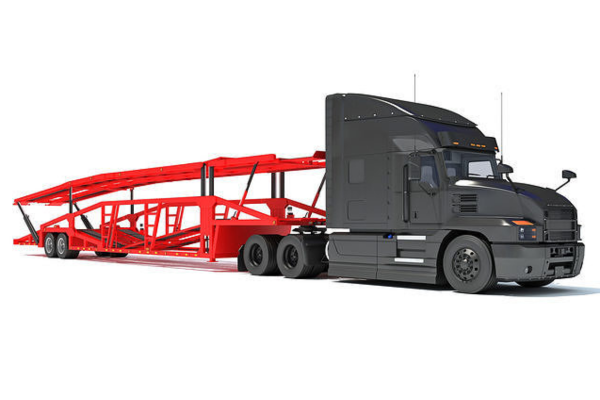
The design and customization of Car Hauler Semi-Trailers are becoming more specialized as the needs of the vehicle transport industry evolve. With the increasing diversity of vehicles—ranging from sedans and SUVs to motorcycles and trucks—the demand for adaptable, flexible trailers is higher than ever. In response, manufacturers are innovating with design features that improve efficiency, accessibility, and cargo protection. Here are some key trends in the design and customization of Car Hauler Semi-Trailers.
1. Customizable Trailer Lengths and Deck Configurations
As the types of vehicles being transported grow more diverse, customizable trailer lengths and deck configurations are becoming essential. For example, transporting multiple SUVs or larger trucks requires a longer or differently configured trailer deck, while smaller vehicles like sedans or motorcycles may need less space.
Manufacturers now offer modular trailer designs that allow operators to adjust the length of the deck to accommodate various vehicle sizes. These trailers are often equipped with extendable ramps and adjustable axles, providing flexibility in how vehicles are loaded and unloaded. Custom configurations ensure that each trailer is optimized for the specific needs of the fleet or business.
2. Modular and Expandable Systems
One of the growing trends in the Car Hauler Semi-Trailer industry is the adoption of modular trailer systems. These trailers allow for easy expansion or modification based on the transport needs. For instance, a fleet operator who typically transports small cars might be able to extend or modify the trailer to carry larger vehicles during peak seasons or special transport requests.
These modular systems not only improve operational efficiency but also offer a high degree of flexibility. Operators can reconfigure trailers to meet the varying demands of different shipments, making it a highly cost-effective solution. This approach is especially beneficial for businesses that need to maximize cargo space while maintaining adaptability.
3. Adjustable Loading Ramps and Scissor Lifts
Another significant advancement in Car Hauler Semi-Trailer design is the integration of adjustable loading ramps and scissor lifts. These features make the loading and unloading process far easier and more efficient, especially for vehicles with low ground clearance, such as sports cars or luxury vehicles.
Scissor lifts can raise or lower the height of the trailer's deck, ensuring that vehicles with lower profiles can be loaded without causing damage to their undercarriage. Adjustable ramps, which can be raised or lowered based on the height of the vehicle, offer smoother transitions and safer loading/unloading procedures. These design features reduce the need for additional equipment like cranes or forklifts, streamlining the operation and minimizing costs.
4. Enhanced Cargo Protection Features
As more high-value and luxury vehicles are transported on Car Hauler Semi-Trailers, there is an increasing emphasis on cargo protection. Manufacturers are integrating advanced tie-down systems, impact-resistant materials, and customized cargo bays into their trailer designs.
For example, soft-touch tie-downs that prevent scratches on the vehicles are becoming more common. Impact-resistant barriers and padding are also added to protect vehicles from damage during transport. Additionally, custom-fit trailers that are specifically designed to carry luxury cars or motorcycles often feature dedicated bays with built-in protection to keep vehicles safe from environmental hazards or shifting during transit.
5. Aerodynamic and Lightweight Designs
With the increasing focus on fuel efficiency and sustainability, Car Hauler Semi-Trailers are being designed with an emphasis on aerodynamics and lightweight construction. The goal is to reduce drag, increase fuel efficiency, and enhance the trailer’s ability to carry larger loads without compromising on performance.
Aerodynamic designs—such as curved tail sections and side skirts—are being integrated into newer trailers to minimize air resistance while driving at high speeds. This helps improve fuel consumption, contributing to both cost savings and reduced emissions. Lightweight materials, such as aluminum and high-strength steel, are used to reduce the overall weight of the trailer, allowing operators to maximize their load capacity while ensuring a more fuel-efficient operation.
6. Technological Integration in Trailer Design
In addition to physical design features, Car Hauler Semi-Trailers are increasingly incorporating advanced technological systems for monitoring and control. Telematics systems are being integrated into trailers to provide real-time data on cargo conditions, location tracking, speed, and fuel consumption.
Conclusion
In conclusion, the future of the Car Hauler Semi-Trailer industry is set to be shaped by several transformative innovations that focus on efficiency, safety, sustainability, and customization. As the vehicle transport industry continues to evolve, Car Hauler Semi-Trailers will become more specialized and technologically advanced, offering solutions that meet the diverse needs of businesses and the growing demand for environmentally friendly operations.
From electric-powered models to modular designs and smart technologies, these trailers are increasingly capable of improving operational efficiency and reducing environmental impact. Customization options, including adjustable ramps and aerodynamic features, will enhance the versatility and functionality of these trailers, allowing operators to cater to a wider range of vehicles, from luxury cars to SUVs and motorcycles.
The role of sustainability in the industry cannot be overstated, as electric models, alternative fuels, and energy-efficient designs are not just trends but essential components of a greener future for vehicle transport. With these innovations, Car Hauler Semi-Trailers will play a critical role in reducing emissions, cutting fuel costs, and meeting increasingly strict environmental regulations.
FAQs: Common Questions About Car Hauler Semi-Trailers
1. What is a Car Hauler Semi-Trailer?
A Car Hauler Semi-Trailer is a specialized trailer used to transport multiple vehicles, typically cars, trucks, SUVs, and motorcycles, from one location to another. The trailer is attached to a semi-truck and is designed with ramps, reinforced decks, and secure tie-down systems to safely transport vehicles over long distances. They come in various configurations, such as open or enclosed trailers, depending on the type of vehicles being transported and the level of protection needed.
2. How do Car Hauler Semi-Trailers work?
Car Hauler Semi-Trailers are designed with a series of ramps or hydraulic lifts that allow vehicles to be loaded onto the trailer. Vehicles are driven or winched onto the trailer deck, and they are secured using tie-down straps or wheel chocks. Once loaded, the trailer is hitched to a semi-truck, which hauls the load to its destination. The trailer may feature additional systems like telematics to monitor load conditions or hydraulic lifts for easy vehicle loading.
3. What are the benefits of using a Car Hauler Semi-Trailer?
The primary benefits of using a Car Hauler Semi-Trailer include:
- Efficiency: They allow for the transportation of multiple vehicles at once, reducing the number of trips required.
- Safety: Modern Car Hauler Semi-Trailers come with advanced safety features such as anti-slip ramps, collision mitigation systems, and secure load tie-downs to reduce accidents and damage during transport.
- Customization: They can be customized to fit various vehicle types and offer options like adjustable ramps, modular decks, and aerodynamic designs for fuel efficiency.
4. What are the latest innovations in Car Hauler Semi-Trailers?
Recent innovations in Car Hauler Semi-Trailers include:
- Electric and hybrid models that reduce fuel consumption and emissions.
- Telematics systems that offer real-time data on the location, load status, and performance of the trailer.
- Lightweight materials like aluminum and composite materials, which reduce the weight of the trailer while maintaining strength and durability.
- Modular and customizable designs, allowing the trailer to be adapted to transport different types of vehicles efficiently.
5. How do Car Hauler Semi-Trailers help with environmental sustainability?
Car Hauler Semi-Trailers contribute to environmental sustainability through innovations like electric powertrains and the use of alternative fuels, which reduce carbon emissions. Additionally, aerodynamic designs and lightweight materials help improve fuel efficiency, minimizing the environmental footprint of each transport. Manufacturers are also exploring solar-powered trailers, which can provide auxiliary power for loading and unloading systems, further reducing the need for fuel.



- Why Beiben 8x4 Dump Trucks Are Essential for Heavy Duty Construction Projects
- The Future of Car Hauler Semi-Trailers: Innovations Shaping the Vehicle Transport Industry
- Exploring the Advantages of a Low Bed Semi Trailer for Heavy Equipment Transport
- Volvo Tractor Trucks: Combining Innovation with Durability for the Modern Driver
Headquarters: [West of Xiazhuang Village, Liangshan Street, Liangshan County, Jining City, Shandong Province]
Email: [[email protected]]
Phone: [13296394877]
Website: [topkitbulldozers.com]