



A semi-trailer truck, often referred to as an 18-wheeler or big rig, is a heavy-duty vehicle primarily used in long-haul freight transportation. It consists of a tractor unit, which contains the engine and driver’s cab, and a semi-trailer, which is the unpowered cargo-carrying unit. The semi-trailer is attached to the tractor unit via a hitch, with the rear portion of the trailer resting on the truck's wheels, hence the term "semi."Semi-trailer trucks are indispensable to the global supply chain, moving goods across vast distances, from raw materials to finished products. These trucks can carry massive loads—often exceeding 40 tons—across highways, making them ideal for transporting bulk items and freight over long distances. The semi-trailer truck's ability to detach and swap trailers allows for flexible operations and quick cargo changes, enhancing logistics efficiency.The vehicle’s importance in transportation, coupled with its complex mechanical systems, requires regular maintenance to ensure its reliability, safety, and longevity. With an estimated lifespan of 15-20 years, semi-trailer trucks remain crucial to industries like manufacturing, construction, and retail, where timely deliveries are key. Understanding how to properly maintain these trucks is essential for operators, helping them reduce operational costs and avoid costly breakdowns.
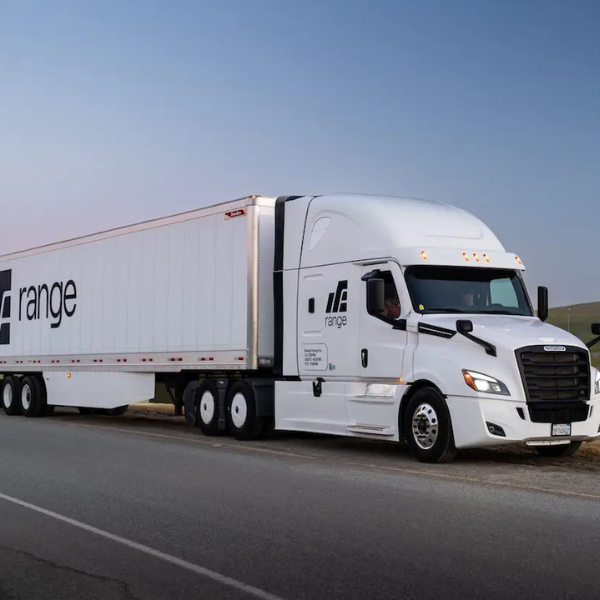

Semi-Trailer Truck Detail Introduction
Introduction
When it comes to commercial transportation, semi-trailer trucks are the workhorses of the logistics industry. These heavy-duty vehicles are responsible for hauling everything from food supplies to construction materials, ensuring that goods reach their destinations safely and on time. However, to maintain their performance and reliability, semi-trailer trucks require consistent and thorough maintenance. Without regular upkeep, these trucks can experience breakdowns, leading to delays, safety hazards, and costly repairs.
Regular maintenance is essential not only for the longevity of the semi-trailer truck but also for the safety of the driver and others on the road. According to the Federal Motor Carrier Safety Administration (FMCSA), more than 30% of truck accidents involve mechanical failures, a significant portion of which could be prevented through proper maintenance. For semi-trailer truck owners and operators, staying on top of routine maintenance tasks ensures that the vehicle continues to operate efficiently, with minimal risk of downtime.
By following these recommendations, you can ensure the longevity and safety of your semi-trailer truck, minimizing the risk of breakdowns and maximizing its efficiency on the road.
Understanding Semi-Trailer Trucks
What is a Semi-Trailer Truck and How Does It Differ from Other Commercial Trucks?
A semi-trailer truck, often referred to as a semi-truck, 18-wheeler, or rig, is a combination of two main components: the tractor unit (the front part) and the trailer (the rear part that carries the cargo). Unlike a full truck, which is a single, rigid vehicle, a semi-trailer truck is articulated—meaning the trailer is attached to the tractor via a fifth wheel coupling. This design allows for greater flexibility and efficiency in transporting large loads across long distances.
The semi-trailer truck is distinct from other commercial vehicles, such as straight trucks or box trucks, which have an integrated cargo area and are generally used for shorter hauls. The ability to detach the trailer from the tractor makes the semi-trailer truck particularly suited for long-haul transportation and logistics operations, where frequent loading and unloading of goods are necessary.
Key Components of a Semi-Trailer Truck (Tractor Unit and Trailer)
A semi-trailer truck consists of two primary components: the tractor unit and the trailer.
Tractor Unit: The front portion of the truck, which houses the engine, cab, and powertrain, including the transmission and axles. The tractor is responsible for providing the power necessary to move the entire vehicle and haul large loads. It typically includes the driver’s cabin, where the driver operates the vehicle.
Trailer: The rear portion of the vehicle that carries the cargo. The trailer does not have a front axle and relies on the tractor unit to support its weight and provide the necessary mobility. There are different types of trailers used in semi-trailer trucks, including flatbeds, reefer trailers (for temperature-sensitive goods), and dry vans (for general cargo).
These two components work together seamlessly to enable the semi-trailer truck to transport a wide variety of goods efficiently over long distances.
The Role of a Semi-Trailer Truck in Logistics and Transportation
Semi-trailer trucks are integral to the global supply chain, making them one of the most common types of vehicles used in freight transportation. They are capable of hauling large amounts of cargo, often exceeding 40 tons, across long distances. Their flexibility in transporting various types of goods—ranging from perishables to heavy machinery—makes them a vital tool for industries such as retail, manufacturing, agriculture, and construction.
In logistics, the semi-trailer truck plays a pivotal role in intermodal transportation, where goods are transported in containers that can be easily transferred between different modes of transport, such as ships, trains, and trucks. The efficiency and versatility of semi-trailer trucks make them indispensable for long-haul trucking, often serving as the backbone of the trucking industry, particularly in countries like the United States, where millions of miles are traveled annually by these vehicles.
Furthermore, semi-trailer trucks contribute significantly to the global economy by ensuring that products are moved efficiently from manufacturers to distributors and, eventually, to consumers. Their ability to cover vast distances and transport large quantities of goods efficiently is one of the reasons they remain the go-to choice for commercial freight operations.
Common Maintenance Challenges for Semi-Trailer Trucks
Common Wear and Tear on Semi-Trailer Trucks
Semi-trailer trucks are subjected to constant stress and heavy loads, which leads to the natural wear and tear of various components over time. The engine, brakes, tires, and suspension system are particularly vulnerable to damage due to the high demand placed on them during long-haul trips. For example, engine components like the cooling system, alternators, and fuel injectors can become clogged or overworked, leading to reduced performance and potential breakdowns.
The brakes on a semi-trailer truck are under constant pressure as they must stop the entire vehicle, including the heavy load it carries. Over time, brake pads and brake lines can wear out, affecting their efficiency. Similarly, tires are constantly exposed to friction and road conditions that lead to uneven wear, which can reduce their lifespan and impact fuel efficiency.
Suspension systems also experience wear as they are designed to absorb shocks from the road, especially when the truck travels through rough terrain or bumpy highways. Shocks, bushings, and springs can wear out or become damaged, leading to a decrease in ride quality and an increased risk of accidents. Regular inspection of these components is crucial to maintaining optimal performance.
Challenges Associated with Maintaining the Tractor Unit vs. the Trailer
Maintaining the tractor unit and the trailer of a semi-trailer truck presents different challenges. The tractor unit is responsible for providing the power to move the vehicle and, therefore, requires more frequent attention to the engine, transmission, and cooling system. Engine-related issues can arise from overuse, incorrect maintenance, or external environmental factors, such as extreme temperatures. This makes the tractor’s engine and powertrain particularly vulnerable to wear and failure if not serviced regularly.
On the other hand, the trailer requires a different focus, especially regarding the braking system, cargo securing devices, and the axles. The trailer brake system (which operates independently from the tractor) is crucial for ensuring that the truck stops safely. Over time, the trailer's brakes can become less effective due to worn-out brake pads or issues with brake lines. The coupling mechanism (the fifth wheel) and the trailer’s suspension also require frequent inspection to ensure that the trailer remains securely attached to the tractor and that the cargo is transported safely.
One of the unique challenges with maintaining a semi-trailer truck is ensuring the compatibility and alignment between the tractor and trailer. Misalignments in the coupling system or improperly maintained trailer components can cause dangerous driving conditions, such as jackknifing or unstable cargo loads.
How Different Climates and Road Conditions Impact Truck Maintenance
The conditions in which a semi-trailer truck operates play a significant role in the wear and tear it experiences. Trucks that travel through extreme climates—whether very hot or very cold—can face unique challenges that affect their mechanical systems. In hot climates, the cooling system of the engine is put under constant stress, as the engine works harder to avoid overheating. This can lead to radiator problems, coolant leaks, and engine overheating if not regularly serviced.
In contrast, cold climates pose risks to the batteries, fuel lines, and tires of the truck. Freezing temperatures can cause fuel to gel, making it harder for the engine to start. Cold weather also contributes to the wear of tire rubber, which can become brittle and prone to cracking. Additionally, snow and ice can damage the brake system and suspension components, especially if road salt is used frequently, leading to corrosion and rust.
Road conditions also significantly impact the truck’s longevity. Potholes, uneven pavement, and rough terrain can cause damage to the suspension system, tires, and axles. Long hours of travel on highway miles or mountain roads put additional strain on braking systems, especially when the truck is carrying a heavy load. Therefore, it’s essential to adapt the maintenance routine to the specific conditions in which the semi-trailer truck operates, whether it’s regularly traveling on urban streets, mountain passes, or through desert highways.
Understanding the specific challenges your semi-trailer truck faces based on its route and environment allows for targeted maintenance practices that extend the vehicle’s lifespan, reduce breakdowns, and ensure it’s always operating at peak efficiency.
Essential Maintenance Tips for Semi-Trailer Trucks
Regular Engine Checks and Routine Oil Changes
One of the most critical components of a semi-trailer truck is the engine. Regular engine checks and routine oil changes are fundamental to keeping the engine running smoothly and preventing costly breakdowns. The engine works under heavy stress during long-haul trips, and neglecting its maintenance can lead to poor fuel efficiency, overheating, and even engine failure.
For optimal performance, it’s recommended that semi-trailer truck engines be inspected frequently for oil levels, leaks, and unusual noises. Oil should be changed according to the manufacturer’s guidelines, usually every 10,000 to 15,000 miles, or sooner depending on the truck’s usage. High-quality engine oil should always be used to ensure proper lubrication of internal components, which reduces friction and heat buildup.
Additionally, keep an eye on the cooling system, as this works in tandem with the engine to prevent overheating. Regularly check the radiator, hoses, and coolant levels to avoid engine damage, especially in extreme climates.
Tire Maintenance: Pressure, Wear, and Rotation
Tire maintenance is crucial for both the safety and fuel efficiency of a semi-trailer truck. The tires are the only point of contact with the road, and improper maintenance can lead to blowouts, uneven wear, and decreased traction.
Start by regularly checking tire pressure. Under-inflated tires create more friction with the road, increasing fuel consumption and wear. Over-inflated tires, on the other hand, can result in a harsher ride and uneven wear. Using a tire pressure monitoring system (TPMS) can help ensure that all tires maintain the correct pressure.
It’s also essential to inspect tire tread for signs of uneven wear. This can be a sign of alignment or suspension issues. Tire rotation should be done regularly (approximately every 6,000 to 8,000 miles) to promote even wear and extend the life of the tires. Don’t forget to inspect the tire sidewalls for damage such as cracks or bulges, which could indicate structural weaknesses.
Brake System Inspections: Pads, Drums, and Lines
A semi-trailer truck’s brake system is vital to its safety, and routine inspections are necessary to ensure its proper function. Brake pads should be checked regularly for thickness, as worn-out pads can significantly reduce stopping power. If pads are too thin, they can cause damage to the brake rotors and require more costly repairs.
The brake lines and brake fluid should also be inspected for leaks or contamination. If fluid levels are low, it could indicate a leak in the system, which needs immediate attention. For semi-trailer trucks, the air brake system is most commonly used, so it’s important to check for air leaks, compressor performance, and brake adjustments regularly.
Additionally, ensure that the trailer brake system is functioning correctly, as it operates independently from the tractor unit. The brake shoes on the trailer should be inspected for wear, and the brake chambers should be checked for any signs of damage or corrosion.
Checking and Maintaining Lights and Electrical Systems
A malfunctioning electrical system or lights can lead to hazardous driving conditions, especially at night or in low-visibility environments. Regular checks of all lights—including headlights, brake lights, turn signals, and clearance lights—are essential for both safety and legal compliance.
Make sure that all wiring is intact and free from corrosion, which can cause short circuits or failures. Fuses should be checked, and any faulty bulbs or malfunctioning lights should be replaced immediately. Battery maintenance is another key aspect of the electrical system. Inspect the battery terminals for corrosion, and ensure that the battery is charged and in good working condition.
Importance of Keeping the Cooling System in Top Shape
The cooling system plays a vital role in maintaining the optimal operating temperature of a semi-trailer truck's engine. A malfunctioning cooling system can result in engine overheating, which can cause severe damage, including warped cylinders and engine failure.
The primary components of the cooling system—such as the radiator, thermostat, coolant hoses, and water pump—should be inspected regularly. Coolant levels should be checked, and the coolant itself should be flushed and replaced at intervals recommended by the manufacturer, typically every 100,000 miles.
In addition, cooling fans should be inspected to ensure they are functioning properly, especially in hotter climates where the engine requires additional cooling. Inadequate cooling can lead to long-term damage, resulting in costly repairs or downtime.
Maintaining the Suspension System and Its Components
The suspension system of a semi-trailer truck absorbs the shocks from the road and keeps the vehicle stable during travel. If the suspension system is damaged or improperly maintained, the truck may experience unstable handling, increased wear on tires, and reduced safety.
Key suspension components to check include the shock absorbers, springs, bushings, and ball joints. Any signs of wear or damage should be addressed promptly to prevent further deterioration. Suspension alignment is also critical to ensure that the vehicle handles properly and that weight is evenly distributed across the tires.
Regularly checking the air suspension system, which is common in many semi-trailer trucks, ensures that the truck remains level and balanced when carrying heavy loads. If there are signs of air leaks or damaged components, they should be repaired immediately to prevent ride quality degradation.
Signs Your Semi-Trailer Truck Needs Attention
Warning Signs of Engine Issues
The engine is the heart of your semi-trailer truck, and noticing any signs of trouble early can prevent major breakdowns. One of the most obvious signs that your engine needs attention is poor performance or decreased fuel efficiency. If your truck is consuming more fuel than usual or struggling to maintain speed on highways, it could be a sign that the engine or its components need servicing.
Other warning signs include strange engine noises such as knocking, grinding, or rattling sounds. These could indicate internal issues like worn-out bearings, pistons, or valves. If your semi-trailer truck is experiencing rough idling or starting problems, it’s essential to check the fuel system, spark plugs, and air intake for potential blockages or failures.
Lastly, keep an eye out for smoke from the engine—whether it's black, blue, or white. Black smoke often indicates excess fuel is being burned due to a problem with the fuel injectors or air filters. Blue smoke could mean the engine is burning oil, and white smoke might point to coolant leaking into the engine, which can be a sign of a more severe issue like a blown head gasket.
Unusual Sounds or Vibrations That Indicate Potential Problems
If you begin to hear unusual sounds or feel vibrations while driving, it’s a sign that something is wrong with your semi-trailer truck. For example, grinding or squealing noises from the brakes could indicate that the brake pads are worn down or the brake drums are damaged. If you hear a clunking or popping noise when turning, it might suggest a problem with the steering mechanism or the suspension system.
Vibrations while driving could point to issues with the tires, wheel alignment, or axles. A misaligned or unbalanced tire can cause shuddering at higher speeds, and failing to address this can lead to uneven tire wear and more significant damage to the vehicle. Similarly, unbalanced wheels or loose components in the drivetrain can cause uncomfortable vibrations that should be inspected as soon as possible.
If you experience vibrations or hear noises coming from the engine or powertrain, such as a clunking or whining sound, these could indicate problems with the transmission, differential, or driveshaft. These components rely on precise alignment and lubrication, so any sign of malfunction should be addressed promptly to prevent further damage.
How to Recognize When Brake Systems or Suspension Need Attention
The brake system is one of the most critical safety features on a semi-trailer truck, and recognizing issues early can save lives. One of the most common signs that your brakes need attention is a soft or spongy brake pedal. This could indicate that the brake fluid is low or that there’s air in the brake lines. If the truck takes longer to stop than usual or the brake pedal feels unusually hard, it may be time to inspect the brake pads, rotors, and calipers for wear or damage.
Unusual noises when braking are another red flag. Squealing, grinding, or clunking sounds usually point to worn-out brake pads or issues with the brake discs. These noises often indicate that the brake pads have worn down to the metal, causing the system to perform inefficiently.
As for the suspension system, uneven tire wear or a rough ride can signal problems with the shocks, springs, or bushings. If you notice that the truck sways excessively when turning or experiences difficulty staying level when carrying a load, the suspension may be out of alignment or damaged. Excessive bouncing or a noticeable dip when the truck is loaded could indicate that the shock absorbers or springs need replacing.
Identifying Tire Wear and What It Indicates About Overall Maintenance
The tires of your semi-trailer truck are one of the most critical safety components and should be monitored regularly for signs of wear. Uneven or excessive wear could be indicative of misalignment, imbalanced tires, or issues with the suspension system. For example, if the inside or outside edge of the tire shows signs of wear, it may be a result of improper alignment or under-inflation. Conversely, center wear might indicate over-inflation or excessive speed.
If you notice bald spots or cracks in the tire tread, it’s essential to replace the tires immediately. Bald tires are more prone to blowouts, especially when carrying heavy loads. Similarly, cracks in the sidewalls of the tires are signs of dry rot, which can weaken the tire and increase the risk of a rupture.
A tire inspection should also include checking for foreign objects lodged in the tires, such as nails or debris, which can cause slow leaks or punctures. Keeping tires properly inflated not only improves safety but also enhances fuel efficiency by reducing rolling resistance.
The Cost of Maintenance: Balancing Preventative and Reactive Care
How Regular Maintenance Saves Money in the Long Term
Maintaining a semi-trailer truck is an investment that pays off in the long run. Regular, preventative maintenance can save you from expensive repairs, unexpected breakdowns, and the cost of lost business due to vehicle downtime. Preventative care ensures that small issues are addressed before they escalate into larger, more expensive problems.
For example, routine oil changes, brake inspections, and tire rotations may seem like minor tasks, but they help to preserve the longevity of essential components like the engine, brake system, and tires. Replacing brake pads before they become too worn or inspecting engine belts before they snap can prevent significant repairs that would cost much more than the maintenance itself.
According to the American Transportation Research Institute (ATRI), trucks that are well-maintained can increase fuel efficiency, reduce operational costs, and extend the service life of the vehicle. When a semi-trailer truck is maintained regularly, it runs more efficiently, requiring fewer repairs and less downtime, which in turn saves money.
In fact, fleet owners who implement an organized maintenance schedule often report lower operating costs over time due to improved fuel efficiency and fewer unexpected breakdowns. This proactive approach to truck care is a key factor in improving the overall financial health of your fleet or business.
The Risks of Neglecting Semi-Trailer Truck Maintenance
While it might seem tempting to put off maintenance to save money in the short term, neglecting routine checks on your semi-trailer truck can lead to costly consequences down the road. Putting off oil changes, brake inspections, or tire rotations can lead to severe wear and tear, ultimately resulting in a more expensive repair bill. For instance, failing to regularly check the cooling system can lead to engine overheating, which can cause long-term damage to the engine, resulting in costly repairs or even the need to replace the engine entirely.
Additionally, unplanned downtime caused by neglecting basic maintenance can lead to lost business, as your truck may be unavailable for transportation tasks. This can be particularly damaging for businesses that rely on on-time deliveries and supply chain efficiency. According to the U.S. Department of Transportation, breakdowns and unplanned repairs can lead to severe delays in delivery schedules, affecting customer satisfaction and your company's reputation.
Ignoring maintenance can also lead to safety risks. For example, worn-out brakes or tires may cause accidents, resulting in significant liability claims, insurance costs, and damage to both your vehicle and cargo. If your semi-trailer truck is involved in an accident due to lack of maintenance, your company could face legal and financial consequences.
Cost-Benefit Analysis: Preventative Maintenance vs. Costly Repairs
One of the most significant financial decisions an operator faces is balancing preventative maintenance with the costs of reactive repairs. Preventative maintenance involves regular inspections, oil changes, brake checks, and other routine services that prevent major issues before they occur. While it may seem like an added expense, preventative maintenance is a cost-effective strategy when compared to the high costs of reactive repairs.
For instance, replacing brake pads and tires regularly might cost a few hundred dollars per unit, but waiting until these components are completely worn out can result in needing new rotors, brake drums, or even an entire brake system overhaul. These repairs can run into the thousands of dollars. Similarly, regular engine maintenance, such as replacing filters and belts, can help avoid catastrophic engine failure, which is far more expensive to fix.
The cost-benefit analysis of maintenance is simple: regular upkeep is far less expensive than waiting for something to break down. Investing in regular inspections and servicing may seem like an extra cost at first, but it saves money in the long run by reducing the likelihood of major repairs, extending the life of the vehicle, and keeping your semi-trailer truck operating efficiently.
Budgeting for Maintenance: Proactive Financial Planning
Effective budgeting for semi-trailer truck maintenance is essential to ensure that repairs are made on time and that there are funds available for unexpected breakdowns. Establishing a maintenance fund that sets aside a portion of revenue for routine inspections and repairs is a good practice for both owner-operators and fleet owners.
Fleet managers should also consider utilizing maintenance software or systems that can track the service history of each truck in the fleet. These systems can help anticipate the next service interval and make sure that necessary repairs are performed in a timely manner, avoiding emergency repairs. By having a proactive maintenance plan in place, you can make more accurate financial projections and avoid surprise expenses.
Conclusion
Maintaining a semi-trailer truck is an essential aspect of ensuring its long-term reliability, safety, and cost-effectiveness. Whether you are an independent owner-operator or managing a fleet, prioritizing routine maintenance plays a pivotal role in preserving the vehicle’s performance. Regular checks on critical components like the engine, brakes, tires, cooling system, and suspension help to identify and address potential issues before they lead to expensive breakdowns or safety hazards.
By adhering to a strict maintenance schedule, you can extend the service life of your semi-trailer truck, reduce the risk of road accidents, and improve the overall efficiency of your operations. Regular maintenance not only safeguards your investment but also contributes to the safety of the driver and the general public, as well as the smooth operation of the supply chain.
For optimal performance, it's crucial to adopt a proactive approach to maintenance, ensuring that no aspect of the truck is neglected. Scheduling regular inspections, adhering to the manufacturer’s service intervals, and investing in high-quality replacement parts will go a long way in minimizing costly repairs. Additionally, keeping an eye on warning signs, such as unusual noises, vibrations, or changes in performance, is vital for catching issues early.
Implementing an organized and structured maintenance routine will not only ensure your semi-trailer truck stays in top shape but also reduce long-term operational costs. Remember, the cost of preventative maintenance is always more economical than the potential financial burden caused by a major repair or vehicle downtime.
As the trucking industry continues to evolve, staying up to date with new technological advancements in vehicle maintenance—such as telematics systems that provide real-time data on your truck’s health—can further enhance your ability to keep your semi-trailer truck running efficiently.
Frequently Asked Questions (FAQs)
1. What is the most important aspect of maintaining a semi-trailer truck?
The most important aspect of maintaining a semi-trailer truck is regularly inspecting and servicing the engine and brake system. These components are essential for the safe operation of the vehicle. Additionally, keeping an eye on tire wear, maintaining proper cooling system functionality, and ensuring that the suspension is in good condition are crucial to ensuring both the safety and longevity of the truck.
2. How often should I perform maintenance on my semi-trailer truck?
Maintenance frequency varies based on the truck's usage, but generally, it’s recommended to follow the manufacturer's suggested service intervals. Typically, an oil change should be done every 10,000 to 15,000 miles, while brake inspections should be conducted every 25,000 to 30,000 miles. Additionally, tire inspections should be performed regularly, as tire wear and pressure can change with time and road conditions.
3. Can I perform maintenance myself, or should I always go to a professional mechanic?
While basic tasks like oil changes, tire pressure checks, and fluid levels can often be handled by truck owners or operators, more complex issues—especially with the brake system, suspension, and engine components—require professional attention. If you’re not sure how to inspect or repair certain parts, it’s best to consult a qualified technician to avoid causing further damage.
4. What are the most common maintenance issues for semi-trailer trucks?
The most common maintenance issues for semi-trailer trucks include brake wear, tire damage, engine overheating, suspension issues, and cooling system failures. These problems often result from neglected maintenance, so regular inspections can help identify these issues before they lead to major failures.
5. How can I improve the fuel efficiency of my semi-trailer truck through maintenance?
Proper tire maintenance, including maintaining the correct pressure and rotating tires regularly, helps improve fuel efficiency by reducing rolling resistance. Additionally, routine engine servicing, such as changing the air filter and ensuring that the fuel system is clean, can help the engine perform at its best, leading to improved fuel consumption.
6. What should I do if my semi-trailer truck breaks down on the road?
If your semi-trailer truck breaks down while on the road, the first priority is safety. Make sure the vehicle is pulled over to a safe area and turn on your hazard lights. If possible, assess the situation—check for obvious issues like flat tires or overheated engine—but in most cases, you should call for professional roadside assistance to get the truck to a repair shop for diagnosis and repair.